Karnataka offers promising opportunities for entrepreneurs interested in the food and hospitality industry. From Bengaluru’s busy commercial districts to Mysuru’s tourism-driven dining market and the growing urban centres of Mangaluru, Hubballi, and Belagavi, the state has customers with diverse food preferences and dining habits.
However, building a successful restaurant requires more than choosing a popular cuisine or opening an outlet in a busy location. Entrepreneurs need a clear business concept, realistic financial planning, efficient kitchen operations, and a strong understanding of their target customers.
Starting a restaurant business in Karnataka involves several decisions, including selecting the right location, preparing a suitable menu, estimating investment, hiring employees, and managing daily expenses. A structured approach to these areas can help restaurant owners establish a business that attracts repeat customers and maintains consistent profitability.
1. Understand the Restaurant Market in Karnataka
Before investing in a restaurant, study the local food market and understand what customers expect from dining establishments in the chosen area. Karnataka has a diverse food culture, with regional preferences varying between cities and communities.
Bengaluru has demand for cafés, quick-service restaurants, fine dining, cloud kitchens, and international cuisines. Mysuru attracts residents, students, and tourists, creating opportunities for traditional restaurants and family dining establishments. Mangaluru has a strong food culture influenced by coastal cuisine, while cities such as Hubballi, Dharwad, and Belagavi offer opportunities in growing residential and commercial areas.
Market research should cover:
- Local customer preferences and eating habits.
- Competitor restaurants and their pricing.
- Target customer demographics.
- Commercial and residential development.
- Property availability and rental costs.
- Demand for takeaway and online delivery.
- Seasonal changes in customer traffic.
Do not assume that a restaurant concept successful in Bengaluru will perform equally well in every Karnataka city. Understand local demand before finalising the menu and investment.
2. Choose a Profitable Restaurant Concept
The restaurant concept determines the menu, kitchen requirements, staffing structure, interiors, and initial investment. Entrepreneurs should choose a format that matches their experience, available capital, and the preferences of their target customers.
Some best profitable restaurant ideas worth evaluating include:
South Indian Restaurant: Traditional breakfast, meals, dosas, idlis, and regional specialities can appeal to customers looking for familiar food and regular dining options.
Café and Bakery: Coffee, snacks, desserts, and bakery products can attract students, professionals, and families, particularly in suitable commercial and residential locations.
Quick-Service Restaurant: A limited menu, faster preparation, takeaway, and delivery can help streamline operations and manage kitchen requirements.
Family Dining Restaurant: A varied menu, comfortable seating, and consistent service can appeal to families and groups.
Coastal Cuisine Restaurant: Seafood and regional coastal dishes may attract customers in suitable markets, especially when ingredient sourcing and food quality are managed carefully.
Cloud Kitchen: Delivery-focused operations can reduce the need for a traditional dining area, although packaging, food consistency, and online platform costs require attention.
A profitable concept is not simply one with high demand. It should also have manageable ingredient costs, practical preparation requirements, suitable pricing, and enough repeat customers to support regular sales.
3. Prepare a Detailed Restaurant Business Plan
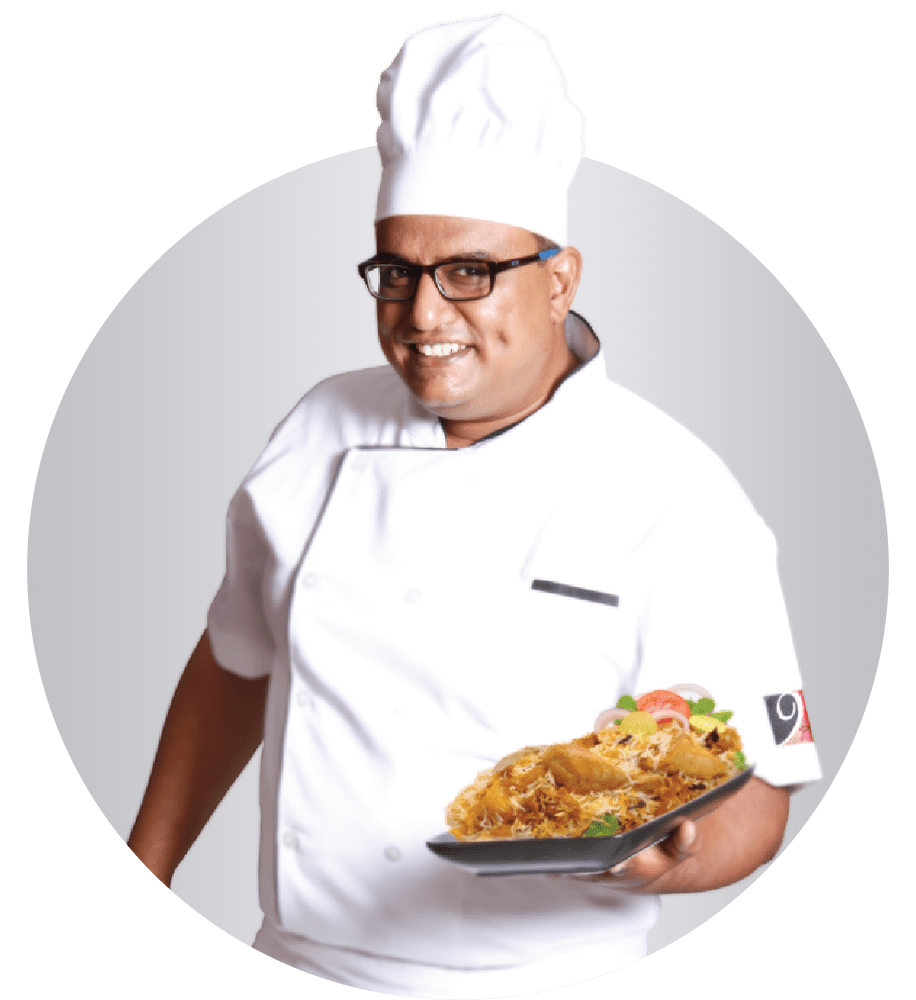
A well-structured restaurant business plan Karnataka should explain how the restaurant will operate, whom it will serve, and how it expects to generate revenue. According to Chef Shajahan M Abdul, a successful restaurant business plan should also include market research, menu planning, investment estimation, operational strategies, and financial projections to support sustainable business growth.
The plan should include the following elements:
Business Concept: Define the cuisine, service format, brand positioning, and customer experience.
Market Research: Identify the target audience, competitors, customer spending capacity, and local demand.
Location Strategy: Compare potential properties based on visibility, accessibility, rent, parking, and suitability for restaurant operations.
Menu Planning: Develop a menu that balances customer preferences, ingredient availability, preparation time, and profitability.
Financial Projections: Estimate initial investment, monthly expenses, expected revenue, working capital, and break-even requirements.
Marketing Strategy: Plan how customers will discover the restaurant through local promotions, social media, online listings, and other channels.
The business plan should also include a realistic timeline for property finalisation, licensing, interiors, equipment installation, recruitment, and launch activities.
Avoid depending entirely on optimistic sales projections. Prepare conservative and expected revenue scenarios to understand whether the business can manage slower-than-anticipated customer growth.
4. Estimate Restaurant Investment in Karnataka
The amount required to open a restaurant depends on its city, location, size, format, seating capacity, and infrastructure requirements. Professional restaurant consultant services can help entrepreneurs estimate the initial investment, prepare realistic budgets, plan kitchen infrastructure, and manage setup expenses while ensuring efficient restaurant operations.
The restaurant investment Karnataka budget should account for both initial setup costs and the funds required to operate the business after launch.
| Investment category | Expenses included |
| Property | Security deposit, advance rent, and brokerage |
| Interiors | Furniture, flooring, lighting, counters, and decoration |
| Kitchen equipment | Cooking ranges, ovens, refrigeration, and exhaust systems |
| Licences and compliance | Applicable registrations, approvals, and professional fees |
| Initial inventory | Ingredients, beverages, packaging, and consumables |
| Recruitment | Hiring, uniforms, and employee training |
| Technology | POS software, billing systems, and inventory tools |
| Marketing | Branding, signage, photography, and launch promotions |
| Working capital | Rent, salaries, utilities, and supplier payments |
Investors should obtain quotations from multiple suppliers and contractors before finalising the budget. Kitchen equipment should be selected according to the menu and expected production volume rather than purchasing unnecessary machinery.
Working capital deserves particular attention. A restaurant may take several months to develop a stable customer base, so owners should maintain sufficient funds to cover essential expenses during the initial operating period.
5. Select the Right Location
Location influences visibility, customer footfall, rental expenses, and long-term business performance. A suitable property should match the restaurant’s concept and target audience. Exploring restaurant consultant projects can help entrepreneurs understand how professional consultants evaluate locations, plan restaurant spaces, and develop strategies for successful restaurant operations.
In Bengaluru, entrepreneurs may evaluate commercial areas, office districts, residential neighbourhoods, and high-street markets. In other Karnataka cities, locations near educational institutions, hospitals, transport hubs, shopping areas, and residential communities may offer suitable opportunities.
Before signing a lease, evaluate:
- Daily customer movement and accessibility.
- Visibility from the main road.
- Parking and delivery access.
- Rental and maintenance expenses.
- Water supply and electricity capacity.
- Drainage and waste-disposal arrangements.
- Kitchen exhaust and ventilation possibilities.
- Permitted commercial use and applicable approvals.
A property with high footfall is not automatically the best choice. The expected sales should justify the rent and other occupancy expenses.
6. Follow a Strong Restaurant Opening Process
Opening a restaurant involves several activities that need to be completed in the right sequence. Delays in approvals, equipment installation, or recruitment can affect the launch schedule and increase costs. Professional guidance for restaurant setup in Delhi NCR can help entrepreneurs coordinate these activities, manage project timelines, streamline approvals, and ensure a smoother restaurant launch.
Start by finalising the concept, business plan, and property. Then prepare the kitchen layout, confirm equipment requirements, and identify the applicable licences and registrations.
Before opening, complete the following tasks:
- Finalise menu items and standardised recipes.
- Confirm ingredient suppliers and purchasing arrangements.
- Install kitchen equipment and test its performance.
- Recruit chefs, kitchen assistants, and service staff.
- Train employees in hygiene and service standards.
- Set up POS, billing, and inventory systems.
- Test food quality, preparation time, and portion sizes.
- Plan local marketing and launch promotions.
A soft launch can help the management team identify operational problems before the official opening. Customer feedback during this period can also highlight areas where the menu or service needs improvement.
7. Apply Effective Restaurant Operations Management
Daily operations have a direct impact on food quality, customer satisfaction, and profitability. Even a well-funded restaurant can face difficulties if purchasing, kitchen management, staffing, and service procedures are not properly coordinated. An experienced franchise consultant in Mysuru can help entrepreneurs establish standard operating procedures, streamline restaurant management, and develop effective systems to maintain consistency across franchise outlets.
Following practical tips for restaurant operations management helps establish consistency across different departments.
Standardise Recipes: Document ingredient quantities, preparation methods, cooking times, and portion sizes. This helps maintain consistent taste and control food costs.
Manage Inventory: Maintain accurate stock records, establish purchasing schedules, and monitor ingredient expiry dates. Regular stock checks can reduce spoilage and unnecessary purchases.
Train Employees: Provide clear instructions for kitchen hygiene, food handling, customer service, billing, and workplace responsibilities.
Monitor Kitchen Performance: Review preparation time, order accuracy, wastage, and food quality during regular operations.
Maintain Customer Service Standards: Train employees to handle customer requests, complaints, and feedback professionally.
Track Financial Performance: Review daily sales, food costs, salaries, utility expenses, and other operating costs.
A restaurant management system or POS software can make it easier to monitor sales, identify popular dishes, and maintain accurate records.
8. Manage Food Costs and Menu Profitability
Food costs are among the most important expenses in restaurant operations. Poor portion control, excessive purchasing, and inconsistent recipes can reduce margins even when customer demand is strong.
Start by calculating the ingredient cost of every menu item. Use standardised recipes and purchase ingredients from reliable suppliers who meet the required quality specifications.
Monitor the following areas:
- Ingredient purchase prices.
- Portion sizes and recipe quantities.
- Food preparation waste.
- Stock expiry and spoilage.
- Menu item sales performance.
- Contribution margin of individual dishes.
Review menu performance regularly. Popular dishes with strong contribution margins should receive attention, while expensive or slow-moving items may need recipe adjustments, pricing changes, or removal.
Seasonal ingredients can also provide opportunities to manage costs, provided their quality and availability meet the restaurant’s standards.
9. Understand Licences and Regulatory Compliance
Restaurant owners must identify the registrations and permissions applicable to their business before beginning operations. Requirements depend on the business structure, property, food services, and local regulations.
Common compliance areas may include:
- FSSAI registration or licence, as applicable.
- Local municipal trade permissions.
- GST registration, where applicable.
- Shops and Establishments registration, as applicable.
- Fire safety requirements and approvals.
- Applicable labour and employment compliance.
- Pollution-control permissions, where required.
- Music or public performance licences, where applicable.
Verify current requirements with the relevant government departments and qualified professionals. Also check whether the property is suitable for restaurant operations before investing in interiors or equipment.
Maintaining proper records and renewing applicable registrations on time helps avoid compliance-related interruptions.
10. Build a Long-Term Growth Strategy
A successful restaurant should be planned for sustainable growth rather than short-term popularity. Once operations become stable, owners can evaluate opportunities to improve the menu, strengthen customer retention, introduce delivery services, or expand into additional locations.
Monitor sales trends, customer feedback, food costs, employee performance, and outlet profitability. Use this information to identify what works and where improvements are needed.
If the first outlet performs consistently, the business may consider opening another location or exploring franchise opportunities. However, expansion should only take place when the existing operating model can be replicated without compromising food quality or service standards.
Building a sustainable restaurant business in Karnataka requires consistent management, financial discipline, and a willingness to adapt to changing customer expectations.
Conclusion
Building a successful restaurant requires careful planning across market research, concept selection, investment, location, menu development, and daily operations. Karnataka offers opportunities across different restaurant formats, but each market requires a clear understanding of local customer preferences and operating conditions.
A practical business plan, realistic investment estimates, standardised recipes, trained employees, and effective cost control can help entrepreneurs establish a strong foundation. By monitoring performance and making informed decisions, restaurant owners can create a business that delivers consistent customer experiences and supports long-term profitability.
A well-planned restaurant business in Karnataka is built through more than a successful opening. It depends on maintaining quality, understanding customers, and managing operations effectively every day.
Frequently Asked Questions
1. How can I start a restaurant business in Karnataka?
Start by researching the local market, choosing a suitable restaurant concept, preparing a business plan, estimating investment, selecting a property, and obtaining applicable licences. You should also plan kitchen infrastructure, staffing, suppliers, and marketing before opening.
2. What are some profitable restaurant ideas in Karnataka?
South Indian restaurants, cafés, bakeries, quick-service outlets, family dining establishments, coastal cuisine restaurants, and cloud kitchens can be considered. Profitability depends on local demand, pricing, food costs, location, and operational efficiency.
3. What should a restaurant business plan in Karnataka include?
It should cover the business concept, target customers, market research, competitor analysis, location, menu, investment requirements, monthly expenses, revenue projections, marketing, and operational planning.
4. How can restaurant owners manage daily operations effectively?
Owners should standardise recipes, monitor inventory, train employees, maintain hygiene, track sales, control food wastage, and review customer feedback. Regular operational checks help maintain consistency.
5. What factors influence restaurant investment in Karnataka?
Major factors include the city and location, property rent, restaurant size, interior development, kitchen equipment, licences, recruitment, initial inventory, marketing, and working capital.