Delhi NCR is one of India’s most active food and hospitality markets, offering opportunities for entrepreneurs interested in opening cafés, family restaurants, fine-dining establishments, quick-service restaurants, and cloud kitchens. With a diverse population, corporate offices, shopping centres, residential communities, and a growing food delivery market, the region attracts customers with different dining preferences and spending capacities.
However, starting a restaurant in Delhi NCR requires more than selecting a popular location and designing an attractive menu. Entrepreneurs must evaluate property costs, customer demand, competition, kitchen infrastructure, licences, staffing, and recurring operational expenses.
A well-planned restaurant setup in Delhi NCR begins with market research and a realistic business plan. Understanding these factors before investing can help restaurant owners manage risks, control expenses, and establish a business that is capable of delivering consistent food quality and customer service.
1. Understand the Restaurant Market in Delhi NCR
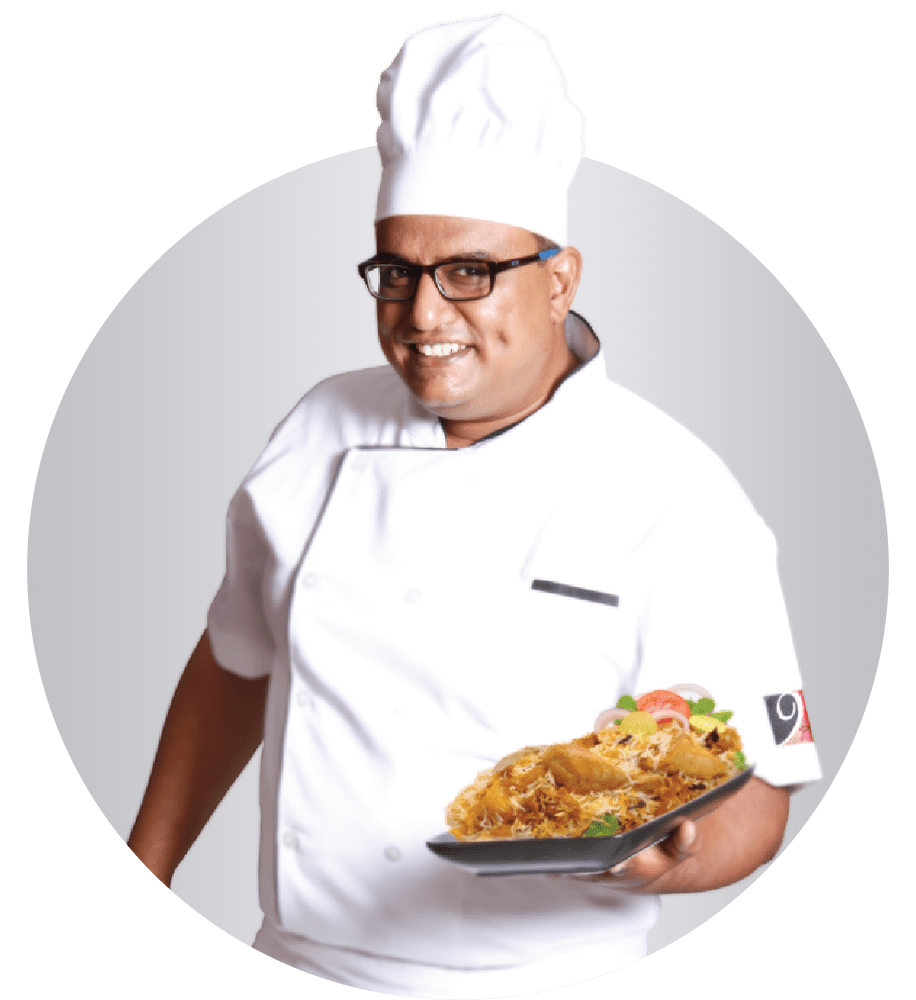
Delhi NCR region includes several important commercial and residential markets across Delhi, Gurugram, Noida, Greater Noida, Ghaziabad, and Faridabad. Each location has its own customer profile, rental structure, competition, and business opportunities. According to Dr. Chef Shajahan M. Abdul, understanding these regional market differences is essential for developing a successful restaurant business, selecting the right location, and planning long-term profitability.
For example, areas with corporate offices may generate demand for weekday lunches, business meetings, and quick-service meals. Residential neighbourhoods may offer opportunities for family restaurants, cafés, and takeaway outlets. Shopping and entertainment destinations can attract customers looking for casual dining and weekend experiences.
Before finalising the restaurant concept, research the following:
- Local customer preferences and food habits.
- Competitor restaurants and their pricing.
- Residential and commercial population.
- Daily and weekend footfall.
- Property availability and rental expenses.
- Online food delivery demand.
- Accessibility, parking, and visibility.
Market research should focus on the specific neighbourhood rather than Delhi NCR as a whole. A restaurant concept that performs well in one area may need a different pricing strategy or menu in another.
2. Select the Right Location for Your Restaurant
Location has a direct influence on customer footfall, visibility, rental expenses, and long-term profitability. Even a well-designed restaurant may struggle if it is difficult for customers to access or does not match the spending capacity of the surrounding market. An experienced Restaurant Consultant can help evaluate these factors, identify suitable locations, and develop effective business strategies. You can also explore our Projects to understand how professional restaurant consultancy supports successful planning, setup, and operations.
Some popular location categories to evaluate include:
Commercial Districts: Areas with offices and business centres can be suitable for cafés, corporate dining, quick-service outlets, and lunch-focused restaurants.
Residential Neighbourhoods: These locations may support family restaurants, neighbourhood cafés, bakeries, and casual dining businesses.
Shopping and Entertainment Zones: Malls and high-street markets can attract shoppers, families, and younger customers, although rental and maintenance costs should be evaluated carefully.
High-Street Locations: Main roads and established market areas may offer strong visibility, but parking, traffic movement, and competition can affect customer convenience.
When comparing properties, consider the carpet area, frontage, electricity supply, water availability, drainage, exhaust permissions, fire safety arrangements, and suitability for commercial kitchen operations.
For a successful restaurant setup in Delhi NCR, the location should support the restaurant’s target audience as well as its operational requirements.
3. Decide the Restaurant Concept and Business Format
The restaurant concept determines the menu, investment, kitchen layout, staffing, and customer experience. Entrepreneurs should select a format based on market demand, available capital, and their operational capabilities. Exploring Restaurant Consulting Projects can also help business owners understand different restaurant concepts, practical setup strategies, and successful approaches to restaurant planning and operations.
Common formats include:
- Quick-Service Restaurant: Suitable for fast meals, takeaway, and delivery-focused operations.
- Casual Dining Restaurant: Offers table service, a wider menu, and a comfortable dining environment.
- Fine-Dining Restaurant: Requires premium interiors, specialised kitchen facilities, and experienced service staff.
- Café or Bakery: Focuses on beverages, snacks, desserts, and light meals.
- Cloud Kitchen: Operates primarily through delivery and takeaway without a traditional dining area.
Avoid choosing a format only because it is popular. Evaluate whether the concept can attract repeat customers and generate enough revenue to cover rent, salaries, food purchases, utilities, and other expenses.
4. Estimate the Restaurant Investment in Delhi
The investment required to open a restaurant varies according to property size, location, concept, seating capacity, interiors, and kitchen specifications. Professional restaurant consultancy services help entrepreneurs estimate startup costs, plan budgets, select suitable equipment, and allocate resources effectively to avoid unnecessary expenses and improve long-term business profitability.
Entrepreneurs evaluating restaurant investment Delhi should prepare a detailed budget covering both initial setup costs and working capital.
| Investment category | Major expenses |
| Property | Security deposit, advance rent, brokerage, and legal checks |
| Interiors | Flooring, furniture, lighting, counters, and decoration |
| Kitchen infrastructure | Cooking equipment, refrigeration, exhaust, and preparation areas |
| Licences and registrations | Applicable business, food safety, and local permissions |
| Initial inventory | Ingredients, beverages, packaging, and consumables |
| Recruitment | Hiring, uniforms, and staff training |
| Technology | POS, billing software, internet, and order management |
| Branding and marketing | Signage, menu design, launch promotions, and digital campaigns |
| Working capital | Rent, salaries, utilities, and supplier payments |
For preliminary planning, investors can prepare separate estimates for small, medium, and large restaurant formats. These estimates should be refined using actual property quotations, contractor proposals, and equipment prices.
Working capital is particularly important because a new restaurant may take time to develop a stable customer base. Keeping sufficient funds for the initial operating period can reduce financial pressure.
5. Prepare a Detailed Restaurant Opening Checklist
A comprehensive restaurant opening checklist helps business owners organise the activities that must be completed before the launch. It also reduces the risk of missing important requirements during the setup process.
The checklist should include:
- Finalising the restaurant concept and target audience.
- Conducting local market and competitor research.
- Selecting a suitable commercial property.
- Preparing the investment and operating budget.
- Checking property permissions and lease conditions.
- Applying for applicable licences and registrations.
- Finalising the restaurant layout and kitchen design.
- Purchasing and installing equipment.
- Hiring chefs, kitchen staff, and service employees.
- Finalising suppliers and ingredient specifications.
- Preparing the menu and standardised recipes.
- Setting up billing and inventory systems.
- Training employees in service and hygiene procedures.
- Testing kitchen operations and food quality.
- Planning marketing activities and the opening campaign.
Before the official launch, consider conducting a soft opening. This allows the management team to evaluate food preparation time, staff coordination, customer service, and billing procedures under real operating conditions.
6. Focus on Restaurant Operational Planning
Opening a restaurant is only the first stage of running a successful business. Daily performance depends on how effectively the kitchen, service team, purchasing department, and management work together.
Proper restaurant operational planning establishes clear responsibilities, procedures, and performance standards for every department.
Important operational areas include:
Kitchen Management: Standardise recipes, ingredient quantities, preparation methods, cooking procedures, and portion sizes to maintain consistent food quality.
Staff Management: Define employee responsibilities, shift schedules, reporting structures, and training requirements.
Inventory Control: Monitor stock levels, purchasing quantities, supplier performance, and food wastage.
Customer Service: Establish procedures for order taking, serving, handling complaints, billing, and collecting feedback.
Financial Monitoring: Review daily sales, food costs, labour expenses, utilities, and other operating costs.
Restaurant owners should also use appropriate digital tools to track orders, sales, stock, and customer feedback. These systems can improve visibility and make it easier to identify operational issues.
7. Plan Kitchen Infrastructure and Restaurant Equipment
Kitchen equipment is one of the most important components of the initial restaurant investment. Purchasing unsuitable equipment can increase costs, affect kitchen efficiency, and create maintenance problems.
Effective restaurant equipment planning should begin after finalising the menu, expected production volume, kitchen workflow, and available space.
Depending on the restaurant format, the equipment list may include:
- Commercial cooking ranges and burners.
- Ovens, grills, and fryers.
- Refrigerators and deep freezers.
- Stainless steel preparation tables.
- Commercial sinks and washing equipment.
- Exhaust hoods and ventilation systems.
- Storage racks and shelving.
- Food preparation machines.
- Kitchen utensils and smallwares.
Equipment capacity should match expected demand. A high-volume restaurant may require larger refrigeration and cooking facilities, while a compact café may need a more specialised but smaller setup.
Before purchasing, compare equipment quality, energy consumption, warranty, maintenance support, and spare-parts availability. The kitchen layout should also allow smooth movement between storage, preparation, cooking, washing, and dispatch areas.
8. Understand Licences and Regulatory Requirements
Restaurant owners must identify the registrations, licences, and permissions applicable to their business before starting operations. Requirements may vary depending on the property, business structure, food services, and local authority regulations.
Common compliance areas include:
- FSSAI registration or licence, as applicable.
- Municipal trade licence or relevant local permission.
- GST registration, where applicable.
- Shops and Establishments registration, as applicable.
- Fire safety requirements and approvals.
- Applicable labour and employment compliance.
- Pollution-control permissions, where required.
- Music or public performance licences, where applicable.
Entrepreneurs should verify current requirements with the relevant government departments and qualified professionals. They should also confirm that the property is approved for the intended commercial use and restaurant activities.
Compliance planning should be included in the project timeline because delays in approvals can affect the opening date and increase pre-launch expenses.
9. Manage Food Costs, Staffing, and Monthly Expenses
A restaurant’s profitability depends on controlling recurring expenses without compromising customer experience.
Food costs can be managed through standardised recipes, portion control, accurate purchasing, and regular inventory checks. Owners should compare expected ingredient usage with actual consumption to identify wastage or unexplained stock differences.
Staffing expenses should be based on the restaurant’s operating hours, seating capacity, and expected customer volume. Proper training can improve productivity and reduce errors during busy service periods.
Other recurring expenses include rent, electricity, water, cooking fuel, packaging, maintenance, marketing, and delivery platform commissions.
Owners should prepare monthly financial projections and compare actual results with the budget. Important indicators include food-cost percentage, labour cost, average order value, sales per day, and break-even performance.
10. Build a Long-Term Restaurant Growth Strategy
A restaurant should be designed not only for its opening day but also for long-term growth. Once the first outlet begins operating, owners should review customer feedback, sales performance, menu popularity, and operating expenses.
Use this information to improve menu offerings, adjust purchasing practices, refine service procedures, and strengthen marketing activities.
Avoid expanding into additional locations before the first outlet has established a reliable operating model. A successful restaurant depends on repeat customers, consistent quality, effective management, and sustainable financial performance.
For entrepreneurs planning a restaurant setup in Delhi NCR, a structured expansion strategy can help build a stronger foundation before considering multiple outlets or franchise opportunities.
Conclusion
Setting up a restaurant in Delhi NCR requires careful planning across location selection, investment, kitchen infrastructure, licensing, staffing, and daily operations. The region offers opportunities for different restaurant formats, but the right business decisions must be based on local demand and realistic financial estimates.
A detailed opening checklist, practical operational procedures, and suitable equipment can help entrepreneurs avoid unnecessary expenses and maintain consistent service quality. By evaluating property costs, working capital, and profitability before investing, restaurant owners can make more informed decisions.
A well-researched restaurant setup in Delhi NCR can provide the foundation for a sustainable hospitality business that meets customer expectations and supports long-term growth.
Frequently Asked Questions
1. How much investment is required to open a restaurant in Delhi NCR?
The investment depends on the location, restaurant format, property size, interiors, kitchen equipment, staffing, and working capital. A detailed estimate should be prepared using actual property and supplier quotations.
2. How do I select the right location for a restaurant in Delhi NCR?
Evaluate customer demographics, local competition, property rent, visibility, accessibility, parking, delivery demand, and the suitability of the premises for restaurant operations.
3. What should be included in a restaurant opening checklist?
It should cover market research, concept selection, property evaluation, budgeting, licences, kitchen design, equipment purchasing, recruitment, menu development, staff training, and pre-launch testing.
4. Why is restaurant operational planning important?
It establishes clear procedures for kitchen management, purchasing, inventory, staffing, customer service, and financial monitoring. This helps maintain consistency and control operating expenses.
5. What equipment is required for a new restaurant?
Common requirements include commercial cooking ranges, ovens, refrigeration units, preparation tables, exhaust systems, washing facilities, storage racks, utensils, and food preparation machines. The final list depends on the menu and expected production volume.