Maharashtra offers a diverse market for restaurant entrepreneurs, with opportunities ranging from neighbourhood eateries and cafés to cloud kitchens, family restaurants, and premium dining establishments. Cities such as Mumbai, Pune, Nashik, and Nagpur attract customers with different food preferences, spending habits, and dining expectations. However, entering this competitive market requires careful preparation and a clear understanding of the costs involved.
A successful restaurant depends on more than an attractive interior or a popular menu. Entrepreneurs must evaluate the location, plan the kitchen, arrange registrations and licences, recruit employees, and establish systems that support consistent service. Financial planning is equally important because expenses such as rent, salaries, ingredients, and utilities continue even when sales fluctuate.
A well-planned restaurant setup in Maharashtra begins with a practical business concept and a realistic investment plan. By making informed decisions before opening, restaurant owners can reduce avoidable expenses, improve operational efficiency, and create a foundation for sustainable growth.
1. Choose a Restaurant Concept That Fits the Market
The first step is to determine the type of restaurant you want to establish. Your concept influences the menu, target customers, pricing, equipment requirements, staffing, and overall investment. A restaurant branding agency in India can help you develop a clear brand identity that aligns with your restaurant concept and appeals to your target audience.
Maharashtra’s food market supports several formats, including traditional Maharashtrian restaurants, vegetarian outlets, cafés, bakeries, quick-service restaurants, and premium dining businesses. The right choice depends on the location, local competition, available capital, and your experience in the hospitality industry.
For example, a restaurant near an office district may benefit from affordable lunch combinations and efficient service. A family restaurant in a residential area might require comfortable seating, a varied menu, and convenient parking. A small café near a college could attract students with reasonably priced snacks, beverages, and a relaxed atmosphere.
Before finalising your concept, study local demand and identify what will make your restaurant different. Avoid investing in a format simply because another business is performing well. Its success may depend on factors such as location, brand recognition, or an established customer base that a new restaurant does not yet have. A Chaat business setup consultant can help you assess market demand, evaluate your concept, and plan a restaurant that suits your target customers and local competition.
A clearly defined concept helps you make consistent decisions about menu planning, interiors, pricing, and marketing.
2. Understand the Initial Investment and Setup Costs
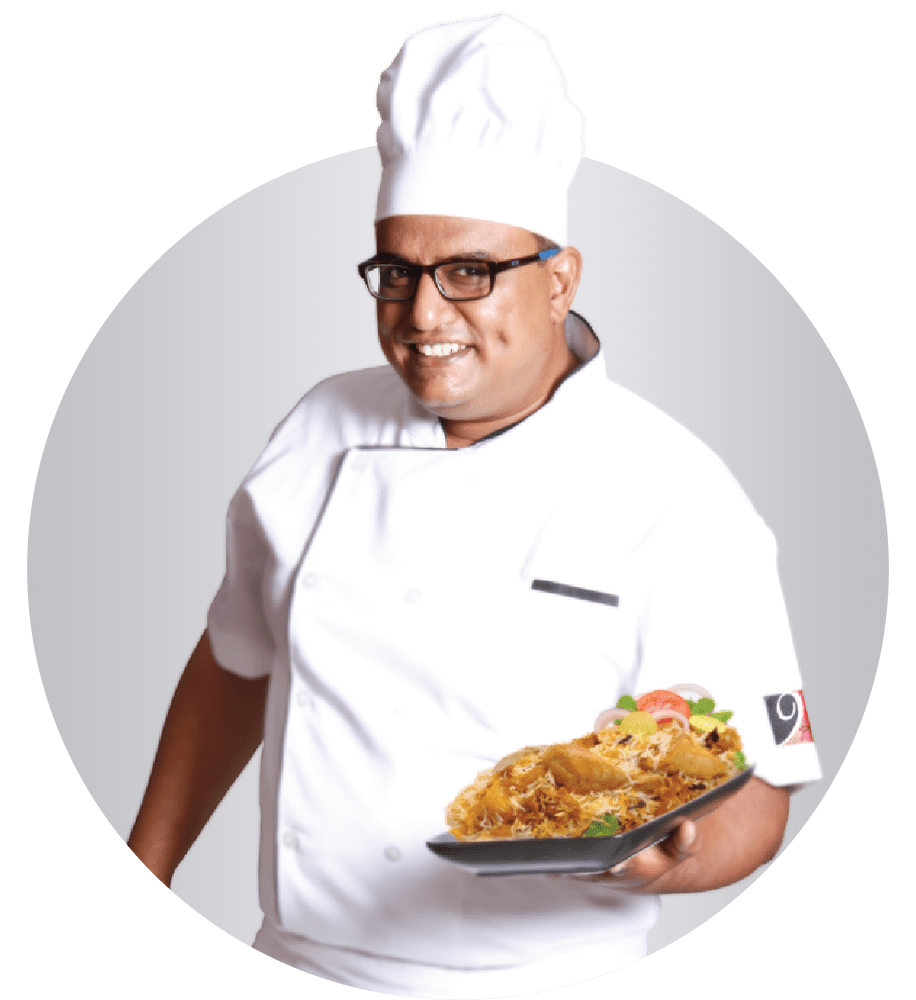
Estimating the investment accurately is one of the most important stages of restaurant planning. The total amount depends on the city, property size, seating capacity, kitchen equipment, interior design, and service model. Consulting restaurant consultant Dr Chef Shajahan can help aspiring restaurant owners understand these factors and plan their investment more effectively.
When calculating restaurant setup cost Maharashtra, include both one-time expenses and the working capital needed to operate the business during its early months.
Common startup expenses include:
- Property security deposit and advance rent
- Interior design, renovation, electrical work, and plumbing
- Kitchen equipment, refrigeration, and exhaust systems
- Furniture, lighting, signage, and dining accessories
- Business registration and applicable licences
- Point-of-sale software, billing systems, and internet connectivity
- Initial food inventory, packaging, and cleaning supplies
- Recruitment, staff training, uniforms, and opening promotions
Cloud kitchens and takeaway outlets may avoid some dining-area expenses, while full-service restaurants generally require additional investment in seating, customer facilities, and ambience.
Obtain quotations from multiple vendors before approving major purchases. Compare equipment specifications, warranty coverage, installation charges, and maintenance requirements rather than selecting suppliers on price alone.
It is also important to maintain a contingency reserve. Unexpected repairs, construction changes, or delays in receiving approvals can increase the initial budget. Setting aside funds for these situations helps protect the business from immediate cash-flow pressure.
3. Select a Location With Strong Business Potential
Location affects customer visibility, accessibility, rent, delivery coverage, and the number of people who may visit regularly. A suitable property should match the restaurant’s concept and target audience. Professional restaurant consultant services can help owners evaluate these factors and select a location that supports their business goals and long-term profitability.
Evaluate foot traffic, road access, parking, nearby offices, residential communities, colleges, shopping areas, and competing food businesses. Consider whether the location attracts customers at the times your restaurant intends to operate.
A high-footfall commercial area may offer greater visibility but also involve higher rental expenses. A residential neighbourhood may provide opportunities to build repeat business, particularly when the menu and pricing suit local households.
Before signing a lease, examine the property’s condition and confirm that it can support restaurant operations. Kitchen ventilation, drainage, electrical capacity, water supply, storage, waste handling, and fire safety arrangements deserve particular attention.
Check the permitted use of the premises and identify any applicable landlord approvals, municipal permissions, or building-related requirements. A property that looks attractive but requires extensive modifications may create additional costs and delay the opening.
The right location is not necessarily the most expensive one. It is the property that provides suitable customer access while keeping fixed costs manageable.
4. Understand Restaurant Opening Requirements
Before opening to the public, restaurant owners must identify the registrations, licences, and operational requirements applicable to their business. These obligations can vary according to the premises, business structure, workforce, and services offered. Successful restaurant branding projects also consider these operational factors to ensure that the restaurant’s identity aligns with its concept and business requirements.
Understanding restaurant opening requirements early can help avoid delays and reduce the risk of spending money before the necessary permissions are in place.
Important areas to investigate include:
Business structure and registration: Choose an appropriate structure, such as a proprietorship, partnership, limited liability partnership, or company.
FSSAI registration or licence: Obtain the applicable food safety registration or licence according to the business category and current eligibility rules.
GST registration: Determine whether registration is required under applicable turnover thresholds and other statutory conditions.
Municipal permissions: Check with the relevant local authority regarding restaurant operations and any applicable trade, health, signage, or other permissions.
Fire safety compliance: Confirm the safety measures and approvals required for the premises.
Shops and Establishments compliance: Review the applicable Maharashtra rules concerning commercial establishments and employees.
Additional permissions may apply to activities such as serving alcohol or playing copyrighted music commercially.
Requirements can change, so verify current rules with the relevant authorities or a qualified professional. Build approval timelines into your launch schedule rather than assuming that every permission can be obtained immediately.
5. Design an Efficient Kitchen and Dining Space
Restaurant design should support both the customer experience and the daily work of employees. Attractive interiors can help establish the restaurant’s identity, but the layout must also make service practical. Restaurant design consultants can help create functional layouts that
Start with the kitchen workflow. Food storage, preparation, cooking, plating, washing, and dispatch should be arranged to reduce unnecessary movement. Separate activities where appropriate to support hygiene and safe food handling.
Select equipment based on the menu and expected order volume. A restaurant specialising in grilled dishes may require different equipment from a bakery or a quick-service outlet. Purchasing unnecessary appliances increases capital costs and can occupy valuable working space.
The dining area should reflect the concept and target audience. Consider seating comfort, table spacing, lighting, ventilation, noise levels, accessibility, and ease of cleaning. Customers should be able to enjoy their meals without feeling crowded or uncomfortable.
Plan the placement of billing counters, takeaway collection points, and delivery dispatch areas carefully. Poorly positioned service points can create congestion during peak hours.
Before the launch, test the kitchen and dining workflow through trial service sessions. These tests can identify bottlenecks, equipment problems, and delays that would otherwise affect paying customers.
6. Control Operating Expenses and Improve Profitability
Opening the restaurant is only the beginning. Long-term performance depends on managing expenses while maintaining food quality and customer satisfaction.
A practical restaurant profitability strategy starts with understanding the cost of every dish. Calculate ingredient quantities, portion sizes, preparation requirements, and selling prices. This makes it easier to identify dishes that generate healthy contributions and those that may require adjustments.
Monitor major expenses, including:
- Food and beverage purchases
- Employee salaries and related costs
- Rent and maintenance
- Electricity, water, and gas
- Packaging and delivery commissions
- Cleaning supplies and equipment repairs
- Marketing and promotional discounts
Inventory management is particularly important. Excessive purchasing can lead to spoilage, while insufficient stock can result in unavailable menu items and lost sales. Use regular stock checks, standard recipes, and clear purchasing procedures to maintain control.
Menu engineering can also improve performance. Review which dishes sell frequently, which generate higher margins, and which require considerable preparation time. A popular dish with a low contribution may need a pricing or portion review, while a profitable dish may deserve greater visibility on the menu.
Avoid cutting costs in ways that damage food safety, service quality, or customer trust. The objective is to reduce waste and improve efficiency without weakening the experience that attracts customers.
7. Recruit Staff and Establish Operating Standards
A restaurant depends on coordinated teamwork. Chefs, kitchen assistants, service staff, cashiers, and managers must understand their responsibilities and work towards consistent standards.
Recruit employees according to the restaurant’s size, service model, and expected customer volume. Hiring too many employees can place unnecessary pressure on the budget, while understaffing may result in delays, mistakes, and poor service.
Training should begin before the opening date. Employees need guidance on food safety, hygiene, portion control, menu knowledge, billing, customer communication, and complaint handling.
Create simple standard operating procedures for opening and closing tasks, stock management, cleaning schedules, order processing, and cash handling. Clear procedures make it easier to maintain quality across different shifts.
Managers should review service performance regularly and address recurring problems. For example, long waiting times may indicate a kitchen workflow issue, while frequent billing errors may require additional training or improvements to the point-of-sale system.
A well-trained team helps reduce operational confusion and creates a more dependable experience for customers.
8. Plan for Restaurant Business Growth
Growth should be based on consistent performance rather than the desire to expand quickly. Before adding another location or significantly increasing operating capacity, owners should understand their existing business’s financial and operational position.
When evaluating how much is the restaurant business growth, there is no single figure that applies to every restaurant. Growth can be measured through changes in revenue, customer visits, average order value, repeat purchases, operating profit, and market reach. The appropriate measures depend on the restaurant’s objectives and starting position.
Begin by reviewing monthly sales, food costs, customer feedback, and cash flow. Identify the dishes, service periods, and marketing channels that contribute most effectively to business performance.
Digital tools can support this process. Point-of-sale reports help track menu performance, while inventory systems can identify waste and purchasing patterns. Online listings and social media can improve local visibility, but their impact should be evaluated through actual visits and orders.
Once the business develops stable operations, owners can explore catering, takeaway services, delivery partnerships, corporate meal arrangements, or additional outlets. Each opportunity should be assessed for investment, staffing requirements, demand, and potential profitability.
A sustainable restaurant setup in Maharashtra should allow room for future development without placing excessive pressure on cash flow or service standards.
Conclusion
Setting up a restaurant requires careful decisions about the concept, location, investment, compliance, equipment, staffing, and marketing. Each stage affects the business’s ability to serve customers consistently and manage operating expenses.
A successful restaurant setup in Maharashtra begins with realistic planning and continues through disciplined daily management. Owners who understand their market, monitor costs, maintain food quality, and respond to customer feedback are better positioned to establish a stable business.
Rather than measuring success only by the opening date or initial sales, focus on building reliable systems and lasting customer relationships. With a practical financial plan and a clear growth strategy, a restaurant can develop a strong reputation and create opportunities for long-term expansion.
Frequently Asked Questions
1. What factors affect restaurant setup costs in Maharashtra?
Costs depend on the city, property size, rental deposit, interior design, kitchen equipment, seating capacity, licences, and operating model. Working capital and contingency funds should also be included in the budget.
2. Which restaurant opening requirements should owners check first?
Owners should investigate the applicable food safety registration or licence, business registration, GST obligations, municipal permissions, fire safety requirements, and employment-related compliance before opening.
3. How can a restaurant improve profitability?
Restaurants can improve profitability by controlling food costs, reducing waste, standardising recipes, monitoring menu margins, managing staff schedules, and reviewing pricing regularly.
4. How can restaurant owners measure business growth?
Useful indicators include revenue, operating profit, repeat customer visits, average order value, customer feedback, and sales performance across different channels. These measures provide a more complete picture than revenue alone.
5. When should a restaurant consider expanding?
Expansion is worth considering when the existing restaurant has stable operations, reliable customer demand, controlled expenses, trained staff, and sufficient cash reserves to support the next stage.