Maharashtra offers promising opportunities for entrepreneurs who want to enter the food and hospitality industry. From Mumbai and Pune to Nagpur, Nashik, and emerging urban markets, customers have varied dining preferences, creating opportunities for cafés, family restaurants, quick-service outlets, cloud kitchens, and premium dining establishments.
However, opening a restaurant requires more than a good menu and an attractive interior. Entrepreneurs need to understand local demand, estimate investment, select the right location, arrange licences, recruit employees, and develop a practical operating strategy.
Starting a restaurant business in Maharashtra becomes easier when each stage is supported by proper research and financial planning. A clear business direction helps owners avoid unnecessary expenses, identify suitable customers, and establish a restaurant that can compete effectively in its local market.
1. Select the Right Restaurant Concept
The first step is deciding what kind of restaurant you want to establish. Your concept will influence the cuisine, pricing, service style, equipment requirements, staffing, and investment.
Maharashtra’s diverse customer base supports several formats, including traditional Maharashtrian restaurants, vegetarian dining outlets, cafés, bakeries, family restaurants, and quick-service businesses. The right option depends on the location, target audience, available capital, and your experience. A restaurant setup consultant can help you evaluate these factors and choose a suitable restaurant format for your business goals.
For example, a restaurant near an office district might focus on affordable lunch combinations and fast service. A family restaurant in a residential area may benefit from comfortable seating, a varied menu, and convenient parking. A café near a college could attract customers through reasonably priced beverages, snacks, and a relaxed environment.
Before finalising the concept, assess whether the proposed menu can be prepared consistently and whether the expected selling prices can cover operating expenses. Avoid copying a successful restaurant without understanding the reasons behind its performance.
A clear concept gives the business a consistent identity and helps guide future decisions about menu development, interior design, marketing, and customer service.
2. Conduct Restaurant Market Research
Understanding customer demand before investing in a property can prevent costly mistakes. Restaurant market research helps entrepreneurs evaluate competition, customer preferences, local pricing, and opportunities that existing businesses may be overlooking.
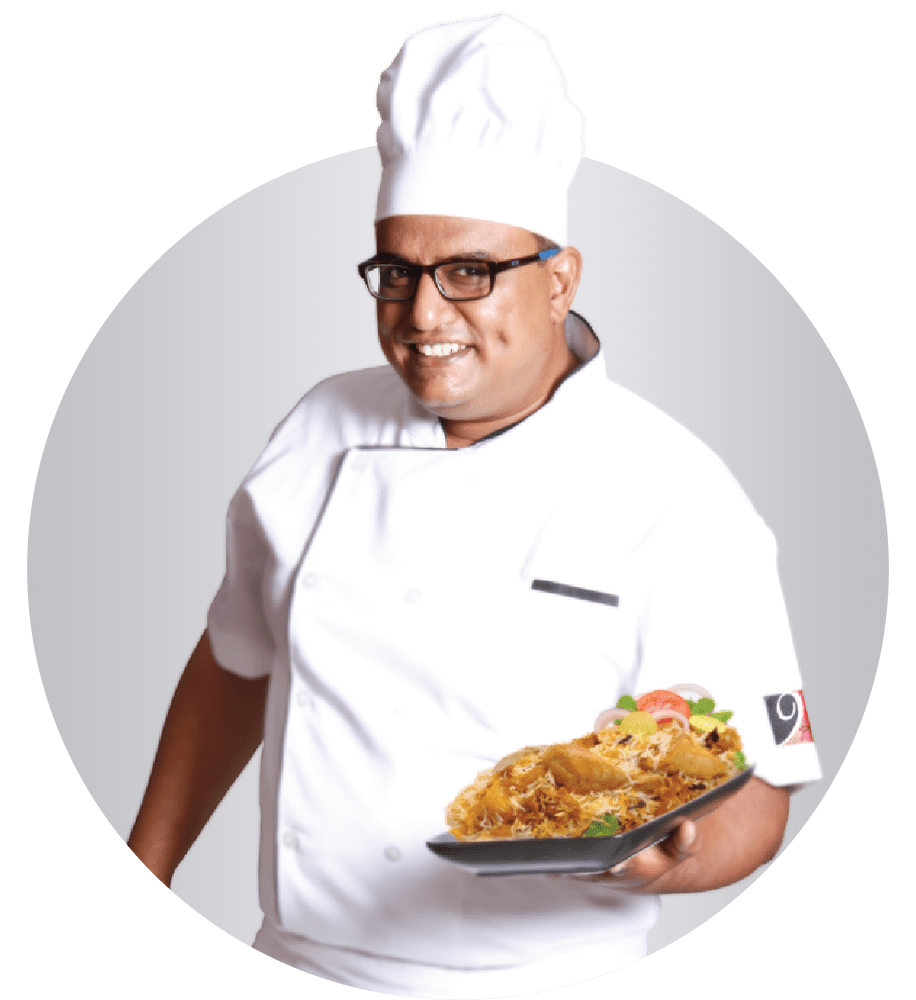
Begin by studying restaurants operating in your preferred area. Compare their menus, prices, service quality, customer reviews, busiest hours, and promotional activities. Online feedback can reveal recurring problems, such as long waiting times, inconsistent food quality, limited menu options, or poor customer service. With guidance from Chef Shajahan M Abdul, restaurant owners can better understand market research and use these insights to make informed business decisions.
You should also speak with potential customers. Ask about their preferred cuisines, typical dining budgets, takeaway habits, and expectations regarding portion sizes and service. These insights can help determine whether your concept meets an existing need.
Location-specific research is particularly important. Customer preferences in a commercial district may differ from those in a residential neighbourhood or tourist destination. Footfall, parking availability, public transport, nearby offices, and delivery demand can also influence sales.
For entrepreneurs planning a restaurant business in Maharashtra, research should extend beyond the number of competing restaurants. Consider their positioning, customer loyalty, pricing strategies, and the gaps your business could fill.
Use the information gathered to refine your concept before making major financial commitments. A restaurant that addresses a clear customer need has a stronger foundation than one built entirely on assumptions.
3. Prepare a Practical Restaurant Business Plan
A business plan outlines how the restaurant will operate, attract customers, manage expenses, and generate revenue. It also provides a reference point for evaluating progress after the launch. Professional restaurant business consulting can help owners develop a practical plan that aligns their business goals with operational requirements and financial expectations.
When considering tips for restaurant business plan Maharashtra, focus on realistic financial estimates and practical operating decisions. Your plan should explain the restaurant concept, target market, competitive advantage, investment requirements, staffing structure, and marketing approach.
Include the following essential areas:
- Business concept: Define the cuisine, service model, target customers, and unique selling proposition.
- Market analysis: Summarise local demand, competitor offerings, customer preferences, and suitable pricing.
- Startup investment: Estimate rental deposits, renovation, equipment, furniture, technology, licences, and initial inventory.
- Operating expenses: Include rent, salaries, ingredients, utilities, packaging, maintenance, and marketing.
- Revenue projections: Estimate sales using realistic assumptions about daily customers, average spending, and operating days.
- Marketing strategy: Explain how you will attract first-time visitors and encourage repeat purchases.
- Contingency planning: Set aside funds for unexpected expenses and slower-than-expected sales.
Prepare conservative, expected, and optimistic sales scenarios. This helps you understand whether the business can remain financially stable when customer numbers fluctuate.
A detailed plan also makes discussions with investors, lenders, and business partners more productive because it demonstrates that the business has been evaluated carefully.
4. Choose the Right Location
Location affects customer visibility, accessibility, rental costs, and long-term profitability. A suitable property should match the restaurant’s concept and the preferences of its intended audience. Successful restaurant consultant projects consider these factors to help owners make informed location decisions and establish a strong foundation for their business.
Evaluate footfall, road access, parking, nearby residential communities, office buildings, educational institutions, and competing establishments. Check whether the property can accommodate the kitchen, dining area, storage, ventilation, and other facilities required for your operations.
Rent requires particular attention. A prominent location may attract more customers, but high fixed expenses can reduce profitability. Estimate how much revenue the restaurant must generate to cover rent and other monthly costs before signing a lease.
You should also verify the property’s permitted use and identify any applicable building, fire safety, municipal, or landlord requirements. Confirm that the premises are suitable for restaurant operations before investing in renovation.
Effective restaurant setup Maharashtra planning means balancing customer demand with operating costs and regulatory requirements. The right property should support efficient service without placing unnecessary pressure on the available budget.
5. Complete Registration and Licensing Requirements
Restaurant owners must identify the registrations and permissions applicable to their business. Requirements can vary according to the business structure, location, premises, workforce, and services offered. A restaurant setup consultant can help owners understand the applicable requirements and plan the necessary documentation before opening their restaurant.
Common areas to investigate include:
Business registration: Choose an appropriate structure, such as a proprietorship, partnership, limited liability partnership, or company.
FSSAI registration or licence: Obtain the applicable food safety registration or licence based on the business category and relevant eligibility requirements.
GST registration: Determine whether registration is required under the applicable turnover thresholds and other statutory conditions.
Municipal permissions: Check the requirements of the relevant municipal corporation or local authority for restaurant operations and related activities.
Fire safety compliance: Confirm the fire safety measures, approvals, and documentation applicable to the premises.
Shops and Establishments compliance: Review applicable Maharashtra requirements relating to commercial establishments and employees.
Additional permissions may be necessary for activities such as serving alcohol or playing copyrighted music commercially. Do not assume that one registration replaces every other permission.
Verify current requirements with the relevant authorities or a qualified professional before opening. Including compliance timelines and costs in the launch plan can help prevent avoidable delays.
6. Plan Kitchen Equipment and Supplier Arrangements
The kitchen must support the menu, expected order volume, food safety standards, and service speed. Equipment should be selected according to actual operational requirements rather than appearance or brand popularity alone.
Prepare an equipment list based on the dishes you intend to serve. Depending on the concept, this may include cooking ranges, refrigeration units, preparation tables, exhaust systems, storage racks, washing equipment, and food preparation tools.
The kitchen layout should allow staff to move efficiently between storage, preparation, cooking, and dispatch areas. Adequate ventilation, drainage, cleaning facilities, and safe food handling procedures should be incorporated into the design.
Supplier selection is equally important. Compare vendors based on ingredient quality, consistency, delivery schedules, pricing, and payment terms. Reliable suppliers help reduce disruptions and make inventory planning easier.
Standard recipes and portion sizes can help maintain food quality and control ingredient costs. Regular stock checks also reduce waste and highlight purchasing problems before they affect profitability.
A carefully coordinated restaurant setup Maharashtra project should include equipment installation, supplier testing, kitchen trials, and staff training before the public launch.
7. Estimate Investment and Protect Working Capital
The cost of opening a restaurant depends on its location, size, concept, equipment, interior specifications, and seating capacity. A small takeaway outlet will have different requirements from a large full-service restaurant.
Create a detailed budget that covers the rental deposit, renovation, kitchen equipment, furniture, registrations, initial inventory, recruitment, technology, and promotional activities. Obtain multiple quotations for major purchases to compare prices and specifications.
Do not spend the entire investment on interiors and equipment. Working capital is necessary to pay rent, salaries, suppliers, utilities, and other bills while the restaurant develops a regular customer base.
Calculate your approximate break-even point by reviewing fixed expenses and the contribution earned from sales after variable costs. This helps establish the revenue required to cover operating expenses.
Monitor food costs, wastage, staff expenses, discounts, and delivery commissions from the beginning. Even small cost variations can affect margins when sales volumes are low.
Anyone launching a restaurant business in Maharashtra should also maintain a contingency reserve. Unexpected equipment repairs, ingredient price increases, or delayed customer growth can place pressure on cash flow if the budget has no flexibility.
8. Hire and Train a Reliable Team
Employees influence almost every part of the customer experience, including food quality, service speed, cleanliness, and complaint handling. Recruitment and training should therefore begin well before the opening date.
Depending on the restaurant format, the team may include chefs, kitchen assistants, service staff, cashiers, cleaning personnel, and a manager. Each employee should understand their responsibilities and reporting structure.
Training should cover menu knowledge, standard recipes, portion control, hygiene, food safety, customer communication, billing, and order handling. Staff should also know how to respond professionally when a customer raises a concern.
Conduct practice sessions before the official opening. These trials can identify problems with kitchen coordination, preparation times, order accuracy, and payment procedures.
Clear communication between the kitchen and service teams helps reduce mistakes during busy periods. Managers should review performance regularly and provide guidance where necessary.
A reliable team helps establish consistent service standards, which are essential for building customer trust and encouraging repeat visits.
9. Promote the Restaurant and Build Customer Loyalty
Marketing should begin before the restaurant opens. Early promotion helps introduce the concept, communicate the opening date, and attract customers from the surrounding area.
Create accurate online business listings with the correct address, opening hours, contact information, menu, and photographs. Use social media to showcase signature dishes, kitchen preparation, special offers, and the people behind the business.
Local marketing can be valuable, particularly for restaurants that depend on nearby residents or office workers. Depending on the concept, consider partnerships with local businesses, housing societies, community groups, and relevant content creators.
Opening offers can attract first-time customers, but discounts should be planned carefully to protect margins. Long-term success depends on more than promotional pricing.
Encourage customers to share honest feedback and respond professionally to reviews. Use complaints to identify recurring problems rather than treating every negative comment as an isolated incident.
For a growing restaurant business in Maharashtra, customer retention deserves as much attention as attracting new visitors. Consistent food quality, fair pricing, convenient ordering, and attentive service give people a reason to return.
Conclusion
Starting a restaurant requires a clear concept, careful market research, realistic budgeting, suitable premises, regulatory compliance, and a capable team. Each stage influences how effectively the business can serve customers and manage its expenses.
A successful restaurant business in Maharashtra is built around genuine customer demand and supported by disciplined planning. Entrepreneurs who understand their target audience, control operating costs, maintain food quality, and respond to feedback are better positioned to develop a sustainable business.
Rather than focusing only on the opening day, plan for the months and years that follow. Consistent operations, meaningful customer relationships, and continuous improvement can help your restaurant establish a strong local reputation.
Frequently Asked Questions
1. How much investment is needed to start a restaurant in Maharashtra?
The investment depends on the city, location, restaurant format, seating capacity, equipment, and interior requirements. Prepare a detailed budget covering setup expenses, licences, initial inventory, marketing, and working capital.
2. Why is restaurant market research important?
Restaurant market research helps identify customer preferences, competitor strengths, suitable pricing, and local demand. It reduces the risk of selecting an unsuitable concept or location.
3. What should a restaurant business plan include?
A restaurant business plan should cover the concept, target audience, market analysis, startup investment, operating expenses, revenue projections, staffing, marketing strategy, and contingency planning.
4. Which licences may be required to open a restaurant in Maharashtra?
Depending on the business, requirements may include the applicable FSSAI registration or licence, GST registration where required, municipal permissions, fire safety compliance, and Shops and Establishments requirements. Additional permissions may apply to specific activities.
5. How can a new restaurant attract more customers?
A new restaurant can attract customers through local marketing, accurate online listings, social media content, introductory offers, partnerships with nearby businesses, and positive customer recommendations. Consistent food quality and service encourage repeat visits.