Starting a restaurant requires more than a good menu and an attractive location. It involves careful financial planning, customer research, operational preparation and a clear understanding of the local food market. Tamil Nadu offers opportunities for restaurant entrepreneurs because of its diverse food culture, growing urban centres, tourism destinations and changing dining preferences. However, building a profitable business requires a well-structured approach from the beginning.
Whether you want to open a traditional South Indian restaurant, a family dining outlet, a quick-service restaurant or a premium dining establishment, understanding the market and planning each stage carefully can improve your chances of success. A well-prepared restaurant business in Tamil Nadu should be built around customer demand, a sustainable investment model and consistent service quality.
1. Understand the Restaurant Market in Tamil Nadu
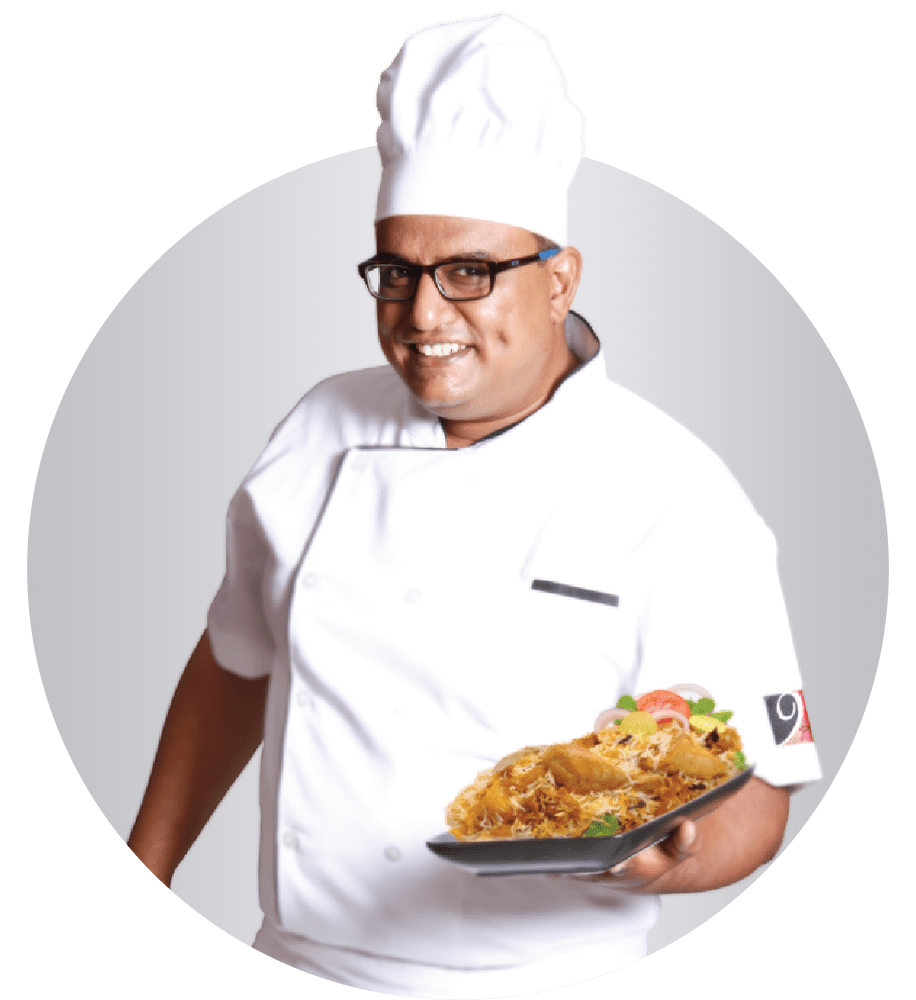
Before investing in a restaurant, study the food preferences, spending habits and dining patterns of your target customers. Tamil Nadu has a diverse food market, with traditional dishes, regional specialities, vegetarian cuisine, non-vegetarian meals, bakery products and international food options attracting different customer groups. Chef Shajahan M Abdul can help restaurant entrepreneurs understand these market trends and make informed decisions when planning a successful food business.
Cities such as Chennai, Coimbatore, Madurai, Tiruchirappalli, Salem and Tirunelveli offer different business opportunities. A restaurant concept that performs well in Chennai may require adjustments to succeed in a smaller city.
Conducting restaurant market research Tamil Nadu helps you understand:
- Popular cuisines and food preferences in the selected location.
- Customer spending capacity and average dining budgets.
- Competitor pricing, menu variety and service standards.
- Demand for takeaway, home delivery and dine-in services.
- Peak business hours and seasonal customer patterns.
- Opportunities in residential, commercial and tourist areas.
Visit competing restaurants, observe customer behaviour and study online reviews. Speak with potential customers to understand what they expect from a new restaurant. These insights can help you identify gaps in the market and develop a concept that offers something valuable to customers.
2. Choose the Right Restaurant Concept
Your restaurant concept determines the menu, interior design, equipment requirements, staffing structure and overall investment. Therefore, decide what type of restaurant you want to establish before finalising the location or spending money on infrastructure. Professional restaurant consultancy services can help you develop a clear concept, align operational requirements and plan your investment effectively.
Some restaurant concepts worth evaluating in Tamil Nadu include:
| Restaurant Concept | Business Opportunity |
| Traditional South Indian Restaurant | Serves breakfast, meals, dosa, idli and regional specialities |
| Family Restaurant | Caters to families looking for comfortable dining and varied menus |
| Quick-Service Restaurant | Focuses on fast service, takeaway and affordable meals |
| Chettinad Restaurant | Offers regional cuisine and traditional non-vegetarian dishes |
| Multi-Cuisine Restaurant | Targets customers looking for different food options |
| Café and Bakery | Serves snacks, beverages, desserts and bakery products |
| Cloud Kitchen | Focuses on online orders with lower dine-in infrastructure requirements |
Choose a concept based on local demand rather than following a temporary food trend. Consider whether the target market can support the proposed menu and pricing throughout the year.
Also think about your restaurant’s positioning. Decide whether it will focus on affordability, authentic regional food, premium dining, quick service or a specialised menu. A clear identity makes it easier to plan branding, promotions and customer experience.
A clearly defined concept gives your restaurant business in Tamil Nadu a stronger identity and helps customers understand what makes it different from competitors.
3. Prepare a Detailed Restaurant Business Plan
A restaurant business plan provides direction for your investment and daily operations. It should explain what you intend to establish, who your customers will be, how much capital you require and how the restaurant will generate revenue. Reviewing relevant restaurant consultant projects can also help you understand practical planning approaches, operational strategies and investment requirements before launching your restaurant.
Your plan should cover the following areas:
- Business concept and positioning.
- Target audience and customer demographics.
- Menu categories and pricing strategy.
- Location and seating capacity.
- Initial investment and working capital.
- Staff requirements and responsibilities.
- Marketing and customer acquisition.
- Monthly operating expenses.
- Revenue projections and break-even estimates.
For a new entrepreneur, working with a restaurant planning consultant can help bring these elements together. An experienced consultant can assess the proposed concept, review the investment structure, plan kitchen operations and identify potential challenges before the restaurant opens.
Your business plan should also include a practical opening timeline. Divide the work into stages such as property finalisation, design, equipment installation, recruitment, menu trials and marketing. Assign responsibilities and deadlines to each stage so that important tasks are not overlooked.
Avoid preparing financial projections based only on optimistic sales expectations. Estimate revenue using realistic customer footfall, average order value, operating days and local competition.
4. Estimate the Restaurant Investment
Investment is one of the most important considerations when planning a new restaurant. The total cost depends on the city, property size, location, restaurant format, interiors, kitchen equipment and staffing requirements. Entrepreneurs planning a restaurant business in Karnataka should evaluate these expenses carefully and prepare a realistic budget to manage their initial investment and ongoing operational costs.
When estimating restaurant investment Tamil Nadu, consider these major expense categories:
| Investment Category | Expenses to Consider |
| Property | Rental deposit, advance and initial property expenses |
| Interiors | Flooring, lighting, furniture, painting and decoration |
| Kitchen Equipment | Cooking ranges, refrigeration, exhaust systems and preparation equipment |
| Licences and Registration | Applicable business registrations and statutory approvals |
| Staff | Recruitment, salaries, uniforms and training |
| Inventory | Initial food ingredients, packaging and beverages |
| Technology | POS software, billing systems and online ordering tools |
| Marketing | Branding, signage, promotional campaigns and launch activities |
| Working Capital | Rent, utilities, salaries and regular operating expenses |
Do not allocate the entire budget to interiors and equipment. Keep sufficient working capital to manage expenses during the initial months, when customer traffic may take time to become consistent.
Prepare separate estimates for one-time expenses and recurring monthly costs. One-time expenses may include renovation, furniture and equipment, while recurring costs include rent, salaries, utilities, ingredients and maintenance.
The financial plan should also account for unexpected costs, equipment maintenance and possible delays in opening. Maintaining a contingency reserve can help you handle these situations without disrupting daily operations.
5. Select a Location Based on Customer Demand
A suitable location can influence customer footfall, sales and long-term profitability. However, a busy street does not automatically guarantee restaurant success. The location should match your concept, target audience and pricing. Consulting a restaurant consultancy expert can help you evaluate potential locations, understand market demand and choose a site that supports your restaurant’s long-term growth.
For example, a premium family restaurant may perform better in an area with residential communities and convenient parking. A quick-service outlet may benefit from proximity to offices, colleges, shopping areas or transport hubs.
Evaluate the following factors before finalising a property:
- Visibility from the main road.
- Accessibility and parking availability.
- Nearby offices, colleges and residential areas.
- Competitor restaurants and their customer traffic.
- Rental cost compared with expected sales.
- Water supply, electricity and drainage facilities.
- Space for kitchen operations and customer seating.
- Delivery access for online orders.
Visit the location at different times of the day to understand traffic patterns. Check whether customers can easily reach the premises during peak hours and whether the surrounding area supports your proposed operating schedule.
Check the property’s commercial usage permissions and infrastructure before signing a rental agreement. A location should support both customer convenience and efficient restaurant operations.
6. Design an Efficient Commercial Kitchen
The kitchen is the operational centre of a restaurant. Poor planning can lead to unnecessary movement, delays, food wastage and hygiene problems. Therefore, kitchen design should be considered during the initial planning stage rather than after the property has been finalised.
A well-planned kitchen should include separate or clearly defined areas for:
- Receiving and storing ingredients.
- Washing and food preparation.
- Cooking and finishing dishes.
- Plating and order dispatch.
- Dishwashing and waste handling.
- Dry and refrigerated storage.
Select equipment according to the menu and expected order volume. Purchasing unnecessary machinery can increase the initial investment, while insufficient equipment may affect service speed during peak hours.
Plan ventilation, exhaust systems, fire safety, drainage and cleaning access carefully. An experienced kitchen planner can help arrange equipment according to workflow, available space and operational requirements.
Consider future business needs as well. If you expect to introduce new menu categories or increase production, make sure the layout allows practical adjustments without major renovation.
7. Complete the Required Licences and Registrations
Legal compliance is essential before opening a restaurant. The exact approvals depend on the business structure, premises, location and nature of operations.
Common requirements may include:
- FSSAI registration or licence, as applicable.
- Business registration and relevant tax registrations.
- Trade licence from the appropriate local authority.
- Shops and Establishments registration, where applicable.
- Fire safety approval or clearance, where required.
- GST registration, depending on applicable requirements.
- Other local permissions based on the property and business activities.
Verify the current requirements with the relevant government departments and local authorities. Do not assume that one licence automatically covers every operational requirement.
Keep digital and physical copies of important documents, renewal dates and inspection records. Maintaining organised documentation can make compliance management easier as the business grows.
8. Develop a Menu That Matches Local Preferences
The menu should reflect the restaurant concept and the preferences of its target customers. Tamil Nadu has strong regional food traditions, so offering familiar dishes alongside selected speciality items can help attract repeat customers.
When developing your menu, consider:
- Customer demand for each food category.
- Ingredient availability and seasonal pricing.
- Preparation time and kitchen capacity.
- Portion sizes and selling prices.
- Food cost and expected contribution margin.
- Opportunities to introduce signature dishes.
Avoid creating an unnecessarily large menu during the initial stage. A focused menu is easier to manage, reduces inventory complexity and helps maintain consistency.
Use recipe standardisation to ensure that every dish has consistent ingredients, portion sizes, preparation methods and presentation. Regularly review sales data to identify popular items and dishes that are not performing well.
Test the menu before the official launch. Invite a small group of people to sample selected dishes and provide feedback on taste, portion size, presentation and pricing. Their observations can help you make practical improvements before serving a larger customer base.
9. Recruit and Train the Right Staff
Restaurant performance depends heavily on the people responsible for food preparation, service and management. Even a well-designed restaurant can struggle if employees do not understand their responsibilities.
Depending on the restaurant format, your team may include:
- Head chef and kitchen assistants.
- Service staff and captains.
- Cashiers and billing executives.
- Restaurant manager.
- Cleaning and housekeeping staff.
- Inventory and purchase personnel.
Provide training on food hygiene, customer service, order handling, complaint resolution and standard operating procedures. Define responsibilities clearly so that employees understand their roles during regular and peak business hours.
Staff scheduling should be based on customer traffic. This helps control labour expenses without compromising service quality. Regular team meetings can also help managers identify operational issues and communicate improvements.
10. Plan Marketing Before the Restaurant Opens
Marketing should begin before the opening date. Customers need to know what your restaurant offers, where it is located and why they should visit.
Create a Google Business Profile with accurate contact details, location, operating hours and photographs. Maintain active social media profiles and share useful content about the menu, restaurant interiors, special dishes and opening offers.
Other practical marketing activities include:
- Organising a soft launch for selected customers.
- Offering introductory promotions.
- Collaborating with local food creators.
- Encouraging genuine customer reviews.
- Promoting takeaway and delivery services.
- Building relationships with nearby offices and communities.
Focus on consistent branding and customer experience rather than relying only on discounts. Positive word of mouth and repeat visits can become important sources of long-term business.
11. Monitor Costs and Restaurant Performance
Opening the restaurant is only the beginning. Long-term profitability depends on how effectively you manage daily operations, purchasing, inventory, staffing and customer satisfaction.
Track important performance indicators such as:
| Performance Indicator | Why It Matters |
| Food Cost Percentage | Helps identify ingredient and portion-related expenses |
| Labour Cost | Measures staffing expenses against revenue |
| Average Order Value | Shows how much customers spend per transaction |
| Table Turnover | Helps evaluate seating and service efficiency |
| Customer Feedback | Identifies service and food quality issues |
| Monthly Revenue | Tracks overall sales performance |
| Food Wastage | Highlights inventory and preparation inefficiencies |
Review these numbers regularly and take corrective action when expenses increase or sales decline. For example, changes in purchasing practices, portion control or menu pricing may help improve margins.
Use a reliable POS system to monitor daily sales, popular dishes and order patterns. Regular stock checks can also help prevent over-purchasing, spoilage and unnecessary inventory expenses.
A sustainable restaurant business in Tamil Nadu requires continuous monitoring rather than relying on opening-day sales or occasional promotions.
12. How a Restaurant Consultant Can Support Your Business
Planning a restaurant involves several connected decisions, from concept selection and financial projections to kitchen design and operational systems. Entrepreneurs without prior hospitality experience may find it difficult to coordinate every stage independently.
A professional consultant can support the planning process through:
- Restaurant concept development.
- Market and competitor analysis.
- Investment estimation and financial planning.
- Menu development and pricing.
- Commercial kitchen layout and equipment selection.
- Staff structure and standard operating procedures.
- Pre-opening planning and operational guidance.
- Post-opening performance evaluation.
Working with a consultant does not guarantee profitability, but professional guidance can help identify planning gaps, improve resource allocation and reduce avoidable mistakes. It can also help business owners approach important decisions with a clearer understanding of operational requirements.
Conclusion
Building a successful restaurant requires a clear concept, realistic financial planning and a strong understanding of customer expectations. Tamil Nadu offers opportunities across traditional dining, family restaurants, quick-service formats, cafés and cloud kitchens. However, the right business model depends on the selected location, available investment and local market demand.
A well-planned restaurant business in Tamil Nadu should combine a suitable location, an efficient kitchen, a focused menu, trained employees and consistent cost monitoring. By preparing each stage carefully and reviewing business performance regularly, restaurant owners can establish a stronger foundation for sustainable growth.
Frequently Asked Questions
Q1. What should I consider before starting a restaurant in Tamil Nadu?
Before you start a restaurant in Tamil Nadu, evaluate the local market, target customers, restaurant concept, location, investment requirements, licences, kitchen infrastructure and staffing needs. A detailed business plan can help organise these decisions.
Q2. How much investment is required to open a restaurant in Tamil Nadu?
The investment depends on the city, property size, restaurant format, interiors, equipment and working capital. A small takeaway outlet generally requires a different budget from a full-service family restaurant or premium dining establishment.
Q3. Why is restaurant market research important?
Restaurant market research Tamil Nadu helps entrepreneurs understand customer preferences, competitor pricing, local demand and suitable restaurant concepts. It supports better decisions about location, menu selection and investment.
Q4. How can a restaurant planning consultant help new entrepreneurs?
A restaurant planning consultant can assist with concept development, market assessment, investment planning, kitchen layout, menu development and operational systems. This guidance can help entrepreneurs prepare for the challenges involved in opening a restaurant.
Q5. What are the key factors for running a profitable restaurant?
Important factors include controlling food and labour costs, maintaining food quality, providing good customer service, managing inventory, selecting suitable menu prices and monitoring sales regularly.