Building a restaurant brand over several decades is an achievement that requires consistency, customer trust, and a strong understanding of food and hospitality. However, expanding a legacy restaurant brand across India involves a different set of challenges. What works successfully in one city may not produce the same results in another because customer preferences, food habits, operating costs, and local competition vary significantly.
For established restaurant owners, expansion is not simply about opening more outlets. It involves protecting the brand’s identity while adapting to new markets, developing reliable operating systems, and maintaining the quality that customers already associate with the business.
A Restaurant Business Expansion Consultant can help legacy restaurant brands approach this process strategically. From market research and location selection to operational planning and franchise development, professional guidance helps businesses prepare for sustainable growth without losing their original identity.
1. Understand What Makes Your Legacy Brand Valuable
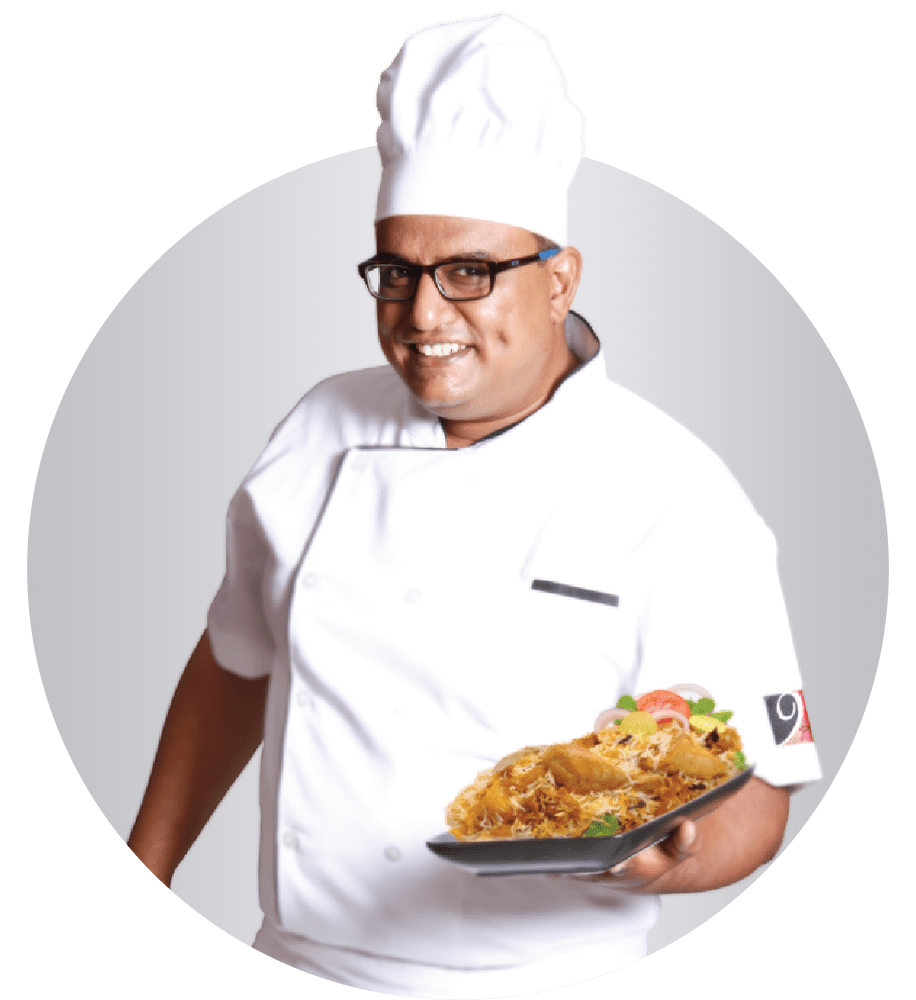
Before entering new markets, restaurant owners should identify the qualities that have made their brand successful. These may include signature recipes, traditional cooking methods, family heritage, customer relationships, regional flavours, or a distinctive dining experience. With the guidance of experienced hospitality professionals like Chef Shajahan M Abdul, restaurant owners can identify these strengths and develop strategies to preserve their brand identity while expanding into new markets.
These elements form the foundation of the brand’s identity and should remain consistent during expansion. For example, a restaurant known for its traditional regional cuisine should preserve its signature dishes, preparation methods, and flavour profiles even when opening outlets in different states.
Start by identifying:
- Signature dishes and original recipes.
- Brand history and values.
- Customer expectations and service standards.
- Interior design and restaurant ambience.
- Existing operational strengths.
- Factors that differentiate the brand from competitors.
Documenting these details makes it easier to communicate the brand’s identity to new employees, managers, suppliers, and potential franchise partners.
A Food Brand Development Consultant can help translate a restaurant’s history and established reputation into a clear brand positioning strategy that works across different markets.
2. Research the Indian Market Before Expanding
India is a diverse restaurant market, and customer preferences differ across regions. A menu that performs well in Mumbai may require adjustments before being introduced in Kolkata, Bengaluru, Hyderabad, or Guwahati. Professional Restaurant Consulting Services can help brands understand regional customer preferences, adapt their menus, and maintain consistency while expanding into different markets.
Market research helps restaurant owners understand whether there is sufficient demand for their cuisine, pricing category, and dining format in a proposed location.
Important factors to evaluate include:
- Local food preferences and dining habits.
- Competitor restaurants and their pricing.
- Target customer demographics.
- Commercial rental costs and property availability.
- Local sourcing opportunities.
- Delivery and takeaway demand.
- Potential for repeat customers.
For instance, an established North Indian restaurant entering South India should assess local preferences and consider suitable menu additions without changing the core identity of its cuisine.
A Restaurant Business Expansion Consultant can help evaluate potential cities, compare market opportunities, and identify locations that align with the brand’s positioning and investment capacity.
Expansion decisions should be based on realistic demand and financial projections rather than the popularity of a city alone.
3. Standardise Operations Across Every Outlet
Operational consistency becomes increasingly important as a restaurant brand grows. Customers visiting an outlet in Delhi should receive a similar food experience, service quality, and overall brand presentation when they visit another outlet in Chennai or Pune.
This requires documented operating procedures that employees can follow consistently.
Some important areas to standardise include:
- Recipe specifications and ingredient quantities.
- Food preparation and cooking procedures.
- Portion sizes and presentation.
- Kitchen hygiene and food safety.
- Customer service processes.
- Staff responsibilities and training.
- Cleaning and maintenance schedules.
Following Tips for Restaurant Brand Standardization helps businesses maintain consistency while reducing dependence on individual employees or outlet managers.
Standard operating procedures should be practical and easy to understand. Kitchen teams should have access to recipe cards, preparation instructions, portion guides, and quality-check procedures.
Regular outlet audits can identify differences in food quality, service delivery, and operational performance. These checks help management address problems before they affect customer confidence.
4. Develop a Scalable Restaurant Business Model
A legacy restaurant may have operated successfully for years under a family-managed or owner-controlled structure. However, expanding across multiple cities requires a business model that does not depend entirely on the original owners.
The operating structure should clearly define management responsibilities, reporting systems, financial controls, procurement processes, and quality monitoring. Experienced Restaurant Consultants in Karnataka can help restaurant owners establish these systems, streamline daily operations, and maintain consistent standards across multiple outlets.
Restaurant owners should evaluate which expansion model best suits their business:
Company-Owned Outlets: The brand directly manages investment, staffing, operations, and customer experience. This offers greater control but requires significant capital and management resources.
Franchise Model: Independent partners operate outlets under the brand’s established guidelines. This can support faster expansion, provided the brand has strong training, monitoring, and compliance systems.
Joint Ventures: The restaurant collaborates with a local business partner to share investment, operational responsibilities, and market knowledge.
The right structure depends on the brand’s financial position, management capacity, and long-term objectives.
A Restaurant Business Expansion Consultant can help assess these options and create a growth roadmap that balances investment, operational control, and scalability.
5. Build a Strong Restaurant Franchise Model
Franchising can help an established restaurant brand reach new cities without funding every outlet independently. However, a successful franchise system requires more than allowing another business owner to use the brand name. Reviewing relevant Restaurant Consulting Projects can help restaurant owners understand how structured franchise models, operational systems, and brand standards support sustainable expansion.
A well-designed franchise structure should clearly define the relationship between the brand owner and franchise partner.
Key elements include:
- Initial investment and franchise fees.
- Royalty and revenue-sharing arrangements.
- Location approval criteria.
- Outlet design and equipment specifications.
- Approved suppliers and procurement guidelines.
- Staff recruitment and training requirements.
- Food quality and operational standards.
- Marketing responsibilities.
- Performance monitoring and compliance procedures.
A structured Restaurant Franchise Model Development process helps establish clear expectations for both parties. It also reduces the risk of inconsistent operations and disagreements during the franchise relationship.
Before offering franchises across India, restaurant owners should test the model through carefully selected locations. This helps identify operational gaps and improve training, supply chain, and monitoring systems.
Professional guidance from a Restaurant Business Expansion Consultant can help develop franchise documentation, operating guidelines, partner evaluation criteria, and implementation plans.
6. Adapt the Menu Without Losing Brand Identity
Menu adaptation is often necessary when a legacy restaurant enters a new region. Customers may have different preferences regarding spice levels, ingredients, portion sizes, and dining combinations.
However, changing too much can weaken the brand’s identity. The objective should be to retain signature dishes while introducing carefully selected options that suit local demand.
A practical approach is to divide the menu into three categories:
Core Menu: Signature dishes that define the restaurant and should remain consistent across outlets.
Regional Menu: Selected dishes or variations introduced to suit local customer preferences.
Seasonal Menu: Limited-time offerings based on ingredient availability, festivals, or customer demand.
Every new item should be evaluated for ingredient availability, recipe consistency, preparation requirements, and profitability.
Standardised recipes are particularly important when dishes are prepared in multiple kitchens. Ingredient quantities, cooking methods, and presentation standards should be documented to maintain the original taste.
7. Create a Reliable Supply Chain Across India
Supply chain planning becomes more complex when a restaurant operates in several cities. Ingredient quality, transportation time, supplier reliability, and storage conditions can directly influence food consistency and operating costs. A Restaurant Recipe Standardization Consultant can help establish consistent ingredient specifications, recipe measurements, preparation methods, and quality standards across multiple outlets.
Restaurant owners should identify ingredients that must be sourced from approved suppliers and those that can be purchased locally.
For example, a signature spice blend may need centralised preparation or procurement to maintain its original flavour. Fresh vegetables and other perishable ingredients may be sourced locally under clearly defined quality standards.
An effective supply chain strategy should include:
- Approved supplier lists.
- Ingredient quality specifications.
- Procurement and storage guidelines.
- Inventory tracking procedures.
- Backup suppliers for critical ingredients.
- Regular supplier performance reviews.
Central kitchens or distribution hubs may also be considered when the business model and geographical spread justify the investment.
A Food Brand Development Consultant can help align sourcing decisions, product consistency, and brand standards as the restaurant enters new markets.
8. Invest in Leadership, Staff Training, and Quality Control
A restaurant brand cannot expand successfully without capable people managing its outlets. Hiring experienced managers and training employees should be part of the expansion plan from the beginning.
Training programmes should cover food preparation, customer service, hygiene, inventory handling, billing procedures, and brand values. New employees should understand not only how to perform their responsibilities but also why consistency matters to the business.
Regional managers can monitor multiple outlets and report operational issues to central management. Regular performance reviews, kitchen inspections, and customer feedback analysis help maintain accountability.
Legacy brands should also preserve the knowledge of experienced chefs and long-serving employees. Their understanding of traditional recipes and service practices can be valuable when training teams in new locations.
9. Monitor Financial Performance Before Opening More Outlets
Expansion should be financially sustainable. Opening several outlets quickly without understanding the performance of existing locations can create unnecessary financial pressure.
Before approving a new outlet, estimate the investment required for property, interiors, kitchen equipment, licences, recruitment, marketing, and initial working capital.
After opening, monitor important performance indicators such as:
- Monthly revenue and operating expenses.
- Food-cost percentage.
- Labour costs.
- Average order value.
- Customer retention.
- Outlet-level profitability.
- Inventory losses and wastage.
- Break-even period.
Compare actual results with the original business projections. If an outlet consistently underperforms, identify the reasons before committing to additional locations.
A Restaurant Business Expansion Consultant can help establish financial benchmarks, assess outlet performance, and recommend corrective actions based on operational and financial data.
10. Expand Gradually While Protecting the Brand
One of the biggest mistakes legacy restaurant brands can make is expanding faster than their systems and management teams can support.
A phased expansion strategy allows businesses to test their model, learn from new markets, and improve operations before making larger investments.
Start with locations that offer a strong match between customer demand, brand positioning, and operational feasibility. Review the performance of these outlets before moving into additional cities.
As the business grows, maintain regular communication between central management, outlet managers, franchise partners, and kitchen teams. Brand guidelines should be reviewed periodically to reflect changing customer expectations while protecting the restaurant’s original identity.
The objective is not simply to increase the number of outlets. It is to build a restaurant network that delivers a dependable experience and maintains the reputation developed over many years.
Conclusion
Expanding a legacy restaurant brand across India requires a careful balance between preserving tradition and adopting modern business practices. Strong market research, standardised operations, a scalable business model, reliable supply chains, and financial monitoring provide the foundation for sustainable growth.
With the right planning, established restaurant businesses can enter new markets without losing the qualities that made them successful in the first place. Working with a Restaurant Business Expansion Consultant can help owners turn their expansion ambitions into a structured strategy while protecting brand identity, operational quality, and long-term profitability.
Frequently Asked Questions
1. How can a legacy restaurant brand expand across India?
A legacy restaurant brand can expand through market research, financial planning, operational standardisation, and a suitable company-owned or franchise model. It should begin with carefully selected locations and establish reliable quality-control systems before entering additional markets.
2. Why is restaurant brand standardisation important during expansion?
Brand standardisation ensures that customers receive consistent food quality, service, presentation, and overall experience across different outlets. It also helps management train employees and monitor franchise operations more effectively.
3. What is involved in Restaurant Franchise Model Development?
It involves defining franchise fees, investment requirements, operational guidelines, supplier arrangements, training programmes, brand usage rules, and performance-monitoring procedures. A clear franchise structure helps protect both the restaurant brand and its partners.
4. How can restaurants maintain their traditional identity while expanding?
Restaurants can preserve signature recipes, cooking methods, service values, and brand elements while introducing selected regional menu options. Documented recipes and regular quality checks help maintain consistency across locations.
5. When should a restaurant hire a business expansion consultant?
A restaurant should consider professional consulting when planning entry into new cities, developing a franchise system, standardising operations, or evaluating investment opportunities. A consultant can help create a practical expansion roadmap and identify potential risks before major investments are made.