Developing a successful restaurant menu involves more than choosing dishes that customers enjoy. Restaurant owners must balance taste, ingredient quality, preparation time, selling prices, and profitability. A well-planned menu helps attract customers while ensuring that each dish contributes to the restaurant’s financial performance.
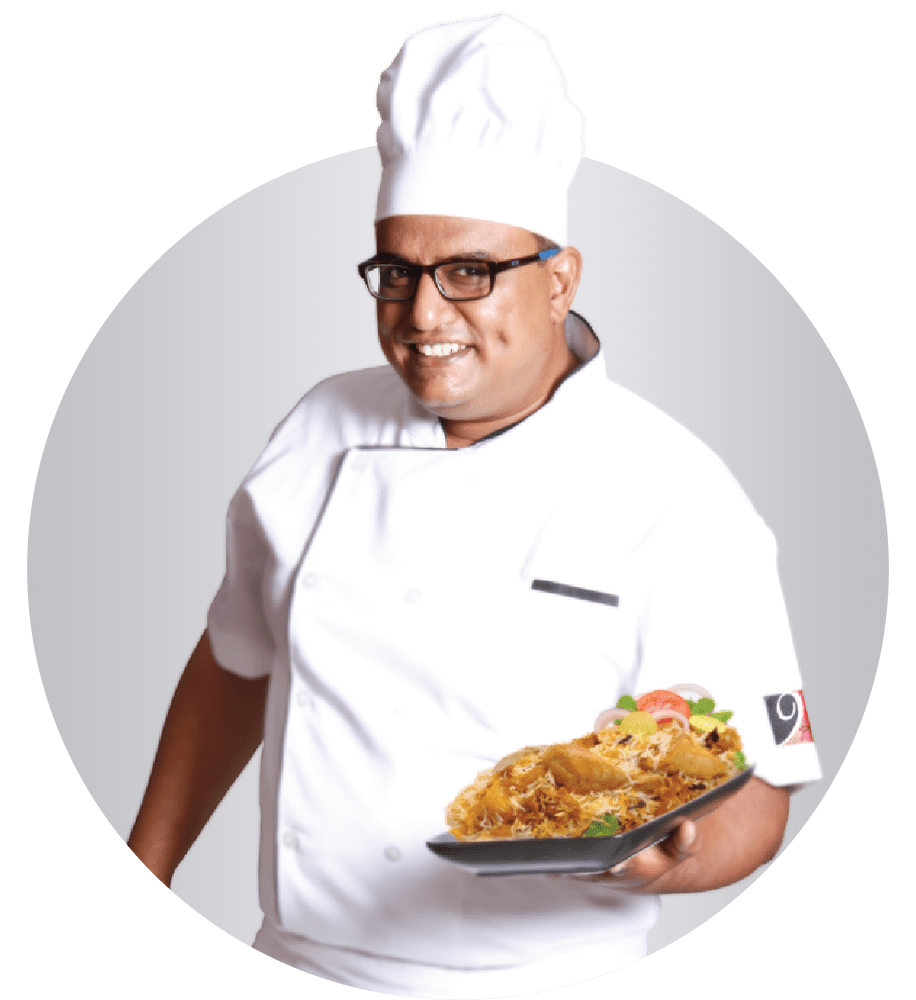
Working with a Restaurant Menu Development Consultant can help restaurant owners create a menu that reflects their brand identity, meets customer expectations, and supports long-term business growth. From selecting profitable dishes to calculating recipe costs and setting competitive prices, professional guidance from Chef Shajahan M Abdul can make menu planning more structured and effective.
For restaurants facing rising ingredient prices, inconsistent portion sizes, and food wastage, a systematic approach to menu development and cost control is essential. Understanding the relationship between menu design, purchasing, pricing, and inventory management allows owners to make better operational decisions.
1. Understand Your Restaurant Concept and Target Customers
Before selecting dishes, restaurant owners should clearly define their concept and target audience. A family restaurant, quick-service outlet, fine-dining establishment, café, and cloud kitchen each have different menu requirements.
The menu should reflect the restaurant’s cuisine, service style, location, pricing category, and customer preferences. For example, a restaurant in a business district may benefit from quick lunch combinations, while a family dining establishment may require sharing platters and children’s meals.
Customer research can help identify popular cuisines, preferred portion sizes, dietary requirements, and acceptable price ranges. Reviewing competitors also provides insights into menu gaps and local dining trends.
A Restaurant Business Consultant India can help restaurant owners assess their business concept, understand the local market, and align the menu with their intended customer base. This planning stage reduces the risk of introducing dishes that require expensive ingredients but generate limited demand.
2. Design a Balanced and Operationally Practical Menu
A restaurant menu should offer enough variety to satisfy customers without making kitchen operations unnecessarily complicated. An oversized menu may increase ingredient requirements, preparation time, storage needs, and the likelihood of food wastage. Professional restaurant consultancy services can help restaurant owners streamline their menus, improve kitchen efficiency, and maintain better control over operating costs.
Start by identifying the core categories suitable for the restaurant, such as starters, main courses, sides, desserts, beverages, and meal combinations. Each category should serve a clear purpose and fit the overall concept.
Consider the following factors when selecting menu items:
- Ingredient availability throughout the year.
- Preparation time and kitchen capacity.
- Skills required from kitchen employees.
- Equipment and storage requirements.
- Customer demand and dietary preferences.
- Potential selling price and contribution margin.
Where possible, use selected ingredients across multiple dishes without compromising quality. For example, certain vegetables, sauces, herbs, and basic preparations may be used in several suitable recipes. This can simplify purchasing and improve ingredient utilization.
A Restaurant Menu Development Consultant can evaluate these operational requirements and help create a menu that is attractive to customers while remaining manageable for the kitchen team.
3. Calculate Recipe Costs Before Setting Menu Prices
One of the most important steps in restaurant profitability is calculating the actual cost of preparing each dish. Estimating prices based on competitors or intuition alone can leave restaurants with insufficient margins. Restaurant consulting projects can help owners evaluate recipe costs, set appropriate menu prices, and identify opportunities to improve profitability.
Recipe costing begins with a standardized recipe. Record every ingredient, its purchase price, the quantity used, and the usable quantity after cleaning, trimming, or cooking where relevant.
For example, if a dish requires 200 grams of an ingredient, calculate the cost of that quantity using the ingredient’s actual purchase cost and account for preparation losses. Repeat this process for every ingredient in the recipe.
The total recipe cost should then be compared with the proposed selling price. Owners should also understand that ingredient cost is not the only expense associated with a dish. Labour, rent, utilities, packaging, delivery commissions, and other operating expenses affect overall profitability.
Standardized recipes and portion specifications help maintain consistency between the estimated cost and the actual cost of food served.
4. Develop a Practical Restaurant Menu Pricing Strategy
Pricing should reflect ingredient costs, customer expectations, competitor positioning, portion sizes, and the restaurant’s financial objectives. Simply adding a fixed percentage to ingredient costs may not account for differences in demand, labour requirements, or overhead expenses. The best restaurant consultants in Karnataka can help restaurant owners develop a pricing strategy that balances customer value, operational costs, and sustainable profit margins.
A sound Restaurant Menu Pricing Strategy begins with accurate recipe costing and a clear understanding of the restaurant’s target food-cost percentage. The appropriate target varies according to cuisine, service model, ingredient quality, and operating expenses.
For example, a dish with a recipe cost of ₹90 and a selling price of ₹300 has an ingredient cost of 30% of its selling price.
Food-cost percentage can be calculated using this formula:
Food Cost Percentage = (Ingredient Cost per Dish ÷ Selling Price) × 100
However, a low food-cost percentage does not automatically make a dish the most profitable choice. A premium dish may have a higher ingredient cost but generate a larger contribution toward covering operating expenses.
Restaurant owners should also review local purchasing costs and competitor prices regularly. Prices may need adjustment when supplier rates change, portion sizes are revised, or customer demand shifts. Any changes should be communicated clearly and supported by consistent food quality.
5. Use Menu Engineering to Identify Profitable Dishes
Menu engineering helps restaurant owners understand how individual dishes perform in terms of popularity and profitability. Rather than treating every item equally, this method identifies where the restaurant should focus its attention. Effective Restaurant Branding Strategies can complement menu engineering by highlighting signature dishes, strengthening brand identity, and creating a consistent dining experience for customers.
Menu items can generally be grouped into four categories:
Stars: Popular dishes that generate strong contribution margins. Maintain their quality, presentation, and availability.
Plowhorses: Popular dishes that contribute less profit per sale. Review portion sizes, recipe costs, and pricing opportunities without reducing customer satisfaction.
Puzzles: Profitable dishes that sell less frequently. Consider improving their descriptions, placement, presentation, or staff recommendations.
Dogs: Dishes with low popularity and low profitability. Evaluate whether to revise the recipe, reposition the item, or remove it from the menu.
Professional Restaurant Menu Engineering Services can help analyze sales data, recipe costs, contribution margins, and customer preferences to support these decisions.
Menu engineering should be an ongoing process. A dish that performs well during one season may become less popular later, so sales and cost information should be reviewed consistently.
6. Strengthen Restaurant Inventory Management
Effective inventory control is essential for maintaining food quality and reducing unnecessary expenses. Overstocking ties up working capital and increases the risk of spoilage, while understocking can lead to unavailable dishes and disappointed customers.
Restaurant Inventory Management should include regular stock counts, accurate purchasing records, supplier monitoring, and clear storage procedures. Restaurants should also establish minimum and maximum stock levels for essential ingredients based on sales patterns and delivery schedules.
The first-in, first-out method helps ensure that older stock is used before newer deliveries, where appropriate. Perishable ingredients should be stored under suitable conditions, labelled correctly, and monitored for freshness.
Daily or weekly stock checks can reveal differences between expected and actual ingredient usage. These differences may result from over-portioning, preparation waste, spoilage, incorrect recording, or unaccounted consumption.
Restaurant owners can improve inventory accuracy by comparing sales records with recipe-based ingredient requirements. If a dish consistently uses more ingredients than expected, the kitchen team should investigate portion control, preparation methods, and waste.
7. Reduce Food Waste Without Compromising Quality
Food waste can significantly affect restaurant profitability, especially when ingredient prices are high. However, cost reduction should not come at the expense of food safety, taste, or customer satisfaction.
Begin by identifying where waste occurs. Common sources include excessive purchasing, poor storage, trimming losses, incorrect preparation, oversized portions, and unsold prepared food.
Track discarded ingredients and prepared dishes to identify recurring problems. Forecast purchasing quantities using historical sales, seasonal demand, upcoming events, and reservation information.
Staff training is equally important. Kitchen employees should understand standardized recipes, correct storage practices, portion specifications, and safe food-handling procedures.
Where appropriate, restaurants can introduce smaller portion options, meal combinations, or limited-time specials to use suitable ingredients efficiently. Any reuse of ingredients must follow food-safety requirements and established kitchen procedures.
A Restaurant Menu Development Consultant can help connect menu decisions with purchasing practices, portion control, and demand forecasting so that waste reduction becomes part of everyday operations.
8. Use Sales Data to Improve Menu Performance
Restaurant owners should regularly review sales reports to understand what customers order and how menu items contribute to revenue. Point-of-sale systems can provide useful information about sales volume, average order value, peak periods, and category performance.
Compare these figures with recipe costs and purchasing records. A dish that sells frequently may still produce limited contribution if its ingredient costs are excessive. Conversely, a less frequently ordered item may be valuable if it generates a strong margin and complements other purchases.
Test menu changes carefully. Introduce revised descriptions, adjust the position of selected dishes, or trial a new combination for a defined period. Then compare performance before and after the change.
Avoid removing a dish based on a short period of weak sales alone. Consider seasonality, local events, customer feedback, and the dish’s role in attracting a specific customer group.
Data-driven decisions help restaurant owners refine their menus while reducing reliance on assumptions.
9. Review the Menu and Costs Regularly
Menu development is not a one-time activity. Ingredient prices, customer preferences, supplier availability, and competitors change over time. Regular reviews help restaurants remain responsive without making unnecessary changes.
Review recipe costs whenever purchase prices or portion specifications change. Analyse menu sales monthly or at another interval appropriate to the business. Seasonal reviews can also help identify opportunities to feature ingredients when they are readily available.
Restaurants should monitor indicators such as food-cost percentage, contribution margin, wastage, stock variance, and dish popularity. Reviewing these measures together provides a more complete picture than relying on revenue alone.
A Restaurant Menu Development Consultant can support periodic menu audits, pricing reviews, and profitability assessments. This external perspective can help owners identify issues that may be overlooked during busy daily operations.
10. Choose Professional Support for Sustainable Growth
Developing a profitable menu requires coordination between the kitchen, purchasing team, management, and finance function. Restaurants with limited internal resources may benefit from professional support when launching a new outlet, revising an existing menu, or addressing persistent cost problems.
When evaluating a consultant, look for practical experience in recipe costing, menu engineering, supplier coordination, operational planning, and restaurant financial analysis. Ask how recommendations will be measured and whether the process includes staff training and follow-up reviews.
A useful engagement should deliver more than an attractive menu. It should provide standardized recipes, transparent costing methods, pricing recommendations, and a system for tracking performance after implementation.
The right approach connects customer satisfaction with operational efficiency. It helps restaurant owners make informed decisions about what to serve, how much to charge, and how to control the resources required to deliver each dish.
Conclusion
A successful restaurant menu combines customer appeal with sound financial planning. Understanding the restaurant concept, standardizing recipes, calculating ingredient costs, setting suitable prices, controlling inventory, and reviewing sales performance can help owners protect margins without sacrificing food quality.
Professional menu planning and ongoing cost analysis also make it easier to identify popular dishes, reduce avoidable waste, and respond to changing market conditions. With consistent monitoring and informed decisions, restaurants can build menus that support both customer loyalty and sustainable business growth.
Frequently Asked Questions
1. What does a Restaurant Menu Development Consultant do?
A Restaurant Menu Development Consultant helps restaurants plan menu categories, standardize recipes, calculate ingredient costs, review selling prices, and evaluate dish profitability. The work may also include menu engineering, inventory improvements, and recommendations for reducing food waste.
2. How can restaurants control food costs effectively?
Restaurants can control food costs by standardizing recipes, measuring portions, monitoring supplier prices, maintaining accurate stock records, forecasting demand, and tracking waste. Regular comparisons between expected and actual ingredient usage can reveal areas that need improvement.
3. What is restaurant menu engineering?
Restaurant menu engineering evaluates menu items according to popularity and contribution margin. It helps owners identify high-performing dishes, improve the performance of less popular items, and decide whether particular dishes need changes or removal.
4. How often should a restaurant review its menu prices?
Restaurants should review prices regularly and whenever there are significant changes in ingredient costs, supplier terms, portion sizes, or operating expenses. Monthly cost checks can be useful, while the timing of full menu revisions depends on the business and market.
5. Why is inventory management important for restaurant profitability?
Inventory management helps prevent over-purchasing, spoilage, stock shortages, and unexplained ingredient losses. Accurate stock records and demand forecasting support better purchasing decisions, improve ingredient utilization, and help restaurants maintain consistent food quality.