Running a successful restaurant requires much more than good food and attractive interiors. Behind every profitable restaurant is a well organized operational structure that manages staff coordination, kitchen production, customer service, inventory, hygiene, billing, and daily reporting efficiently. Without a proper restaurant management system, even busy restaurants can face operational confusion, financial leakages, poor customer satisfaction, and declining profitability.
At Restro Consultants Private Limited, we specialize in helping restaurants, cafés, cloud kitchens, and franchise brands implement structured operational systems that improve efficiency, consistency, and profitability. Through professional restaurant business consulting and operational planning, we help businesses create scalable hospitality models designed for long term success.
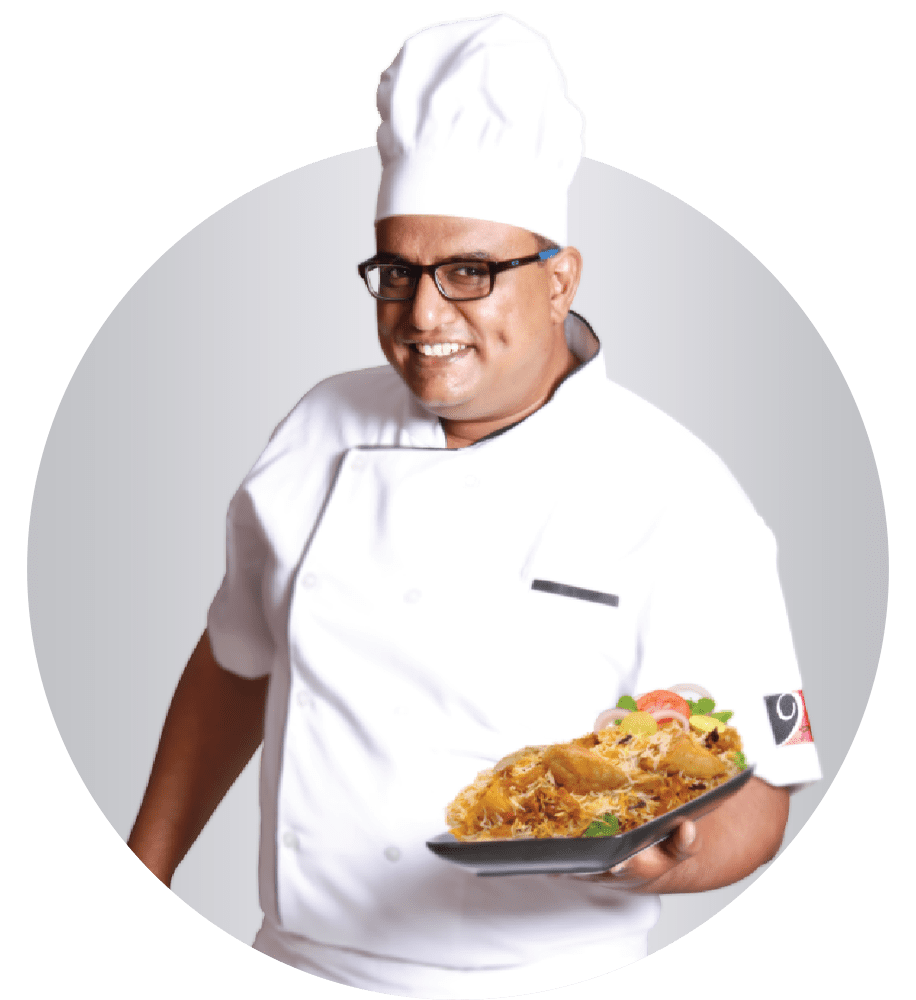
Chef Shajahan M Abdul helps restaurants implement effective restaurant management systems to streamline daily operations, improve staff productivity, and enhance customer satisfaction. His expert guidance enables hospitality businesses to optimize performance and achieve sustainable growth.
Why a Restaurant Management System is Important
A professional restaurant management consultant creates operational discipline and improves coordination across all departments. It ensures that kitchen staff, service teams, managers, cashiers, and support staff work together smoothly to deliver consistent customer experiences.
An effective restaurant management system helps businesses:
- Improve operational efficiency.
- Reduce service delays.
- Improve customer satisfaction.
- Monitor inventory effectively.
- Strengthen staff accountability.
- Improve financial transparency.
Restaurants with strong operational systems are more likely to achieve sustainable growth and long term profitability.
Start the Day with Structured Briefings
One of the most important parts of daily restaurant operations management is conducting structured team briefings before service begins.
Daily meetings should include:
- Sales targets.
- Reservation updates.
- Staff assignments.
- Customer feedback discussions.
- Inventory alerts.
- Special promotions.
- Hygiene checks.
Professional restaurant business consulting always emphasizes the importance of daily communication and operational planning.
At Restro Consultants Private Limited, we create customized SOPs and workflow systems for restaurants based on their operational size and service style.
Kitchen Workflow Management
The kitchen is the operational heart of every restaurant. A poorly managed kitchen creates delays, food inconsistency, and customer dissatisfaction.
A successful restaurant management system should include:
- Proper prep schedules.
- Ingredient storage systems.
- Section wise responsibility allocation.
- Production planning.
- Food quality monitoring.
- Waste management systems.
Strong kitchen coordination improves restaurant operations management and increases production efficiency during busy service hours.
Staff Roles and Responsibilities
Many restaurants face operational confusion because employees do not clearly understand their responsibilities.
Professional restaurant training services help businesses establish clear role definitions for:
- Restaurant managers.
- Captains.
- Stewards.
- Cashiers.
- Kitchen staff.
- Housekeeping teams.
- Delivery coordinators.
Clear accountability improves restaurant operations management and reduces operational mistakes.
At Restro Consultants Private Limited, we provide complete restaurant training services designed to improve operational discipline and customer experience.
Inventory Monitoring and Stock Control
Inventory leakage is one of the biggest reasons restaurants lose profitability. A strong restaurant management system must include proper inventory tracking and stock control procedures.
Restaurants should maintain:
- Daily stock reports.
- FIFO inventory systems.
- Vendor purchase records.
- Wastage tracking reports.
- Production consumption reports.
Professional restaurant business consulting focuses heavily on inventory management because it directly impacts profitability and operational stability.
Improve Customer Service Workflow
Customer service quality determines whether customers return or choose competitors. Restaurants should implement structured service workflows to improve customer satisfaction.
Daily service operations should include:
- Guest greeting protocols.
- Table management systems.
- Order taking standards.
- Complaint handling SOPs.
- Billing coordination.
- Customer feedback collection.
Strong service systems improve overall restaurant operations management and strengthen brand reputation.
Technology Integration for Better Operations
Modern restaurants require technology driven systems to manage operations efficiently.
A professional restaurant management system should include:
- POS software.
- Kitchen display systems.
- CRM platforms.
- Online delivery integrations.
- Attendance management software.
- Sales analytics systems.
Technology reduces communication gaps and improves operational speed across all departments.
An experienced Restaurant setup consultant in Tamil Nadu understands the importance of integrating modern operational tools for long term business growth.
Daily Hygiene and Quality Checks
Hygiene plays a major role in customer trust and operational credibility. Restaurants should implement strict daily hygiene monitoring systems.
Daily hygiene checks should include:
- Kitchen cleanliness.
- Food storage monitoring.
- Staff grooming inspections.
- Dining area sanitization.
- Equipment cleaning schedules.
Professional restaurant training services ensure that employees understand the importance of hygiene and operational discipline.
Sales Monitoring and Reporting
Restaurants should monitor daily operational performance through structured reporting systems.
Important daily reports include:
- Sales reports.
- Item wise sales analysis.
- Staff performance tracking.
- Delivery sales monitoring.
- Inventory consumption reports.
- Customer feedback analysis.
A strong restaurant management system provides operational transparency and supports informed business decision making.
Staff Training and Skill Development
Continuous employee training is essential for operational consistency and business growth.
Professional restaurant training services help improve:
- Service standards.
- Communication skills.
- Operational discipline.
- Customer interaction.
- Upselling techniques.
- Hygiene compliance.
Well trained staff members improve operational efficiency and contribute directly toward customer satisfaction.
Importance of Professional Restaurant Business Consulting
Many restaurant owners attempt to manage operations without professional systems, which often leads to confusion, wastage, and operational instability.
Experienced Restaurant setup consultant in Tamil Nadu and hospitality experts help businesses:
- Create operational workflows.
- Improve kitchen management.
- Build SOP systems.
- Improve service quality.
- Optimize staffing structures.
- Implement scalable operational systems.
At Restro Consultants Private Limited, we provide complete restaurant business consulting solutions including:
- Restaurant concept development.
- Kitchen planning.
- SOP implementation.
- Staff recruitment.
- Restaurant training services.
- Operational audits.
- Franchise consulting.
- Restaurant operations management systems.
Our consulting systems are designed to create highly organized and profitable hospitality businesses.
Build a Culture of Accountability
Restaurants that succeed in the long term usually maintain a strong operational culture and high levels of employee accountability. Clear processes, regular training, and performance monitoring help ensure consistent service quality and customer satisfaction. Leveraging tools such as Google Maps can further support restaurant growth by improving local visibility, attracting nearby customers, and strengthening the business’s online presence.
Managers should regularly:
- Monitor staff performance.
- Conduct operational audits.
- Encourage team discipline.
- Recognize employee achievements.
- Address operational gaps quickly.
Strong operational leadership improves restaurant operations management and creates sm
A professionally designed restaurant management system is essential for maintaining operational efficiency, customer satisfaction, and long term profitability. Restaurants that implement structured workflows, staff training systems, inventory controls, and operational SOPs are far more likely to achieve sustainable growth in the competitive hospitality industry.
Through professional restaurant business consulting, operational planning, and customized restaurant training services, restaurants can Strong team communication and well-defined operational processes help improve coordination, reduce operational mistakes, and create stronger customer experiences. These practices are essential for Restaurant Service Quality Improvement, as they enable staff to deliver consistent service, respond efficiently to customer needs, and maintain high standards across daily operations.
At Restro Consultants Private Limited, we help hospitality businesses build world class operational systems designed for scalability and profitability.
Whether you are launching a new restaurant or other daily workflows.
Conclusion
improving existing operations, or planning expansion, our expert consulting team is ready to help you create a highly efficient and successful hospitality business.
Frequently Asked Questions
1. What is a restaurant management system and why is it important?
A restaurant management system is a structured framework that manages daily operations, staff coordination, inventory, customer service, and reporting. It improves efficiency, reduces errors, enhances customer satisfaction, and supports long-term business profitability.
2. How do daily team briefings improve restaurant operations?
Daily team briefings help staff understand sales targets, reservations, promotions, inventory updates, and operational priorities. These meetings improve communication, strengthen accountability, reduce service delays, and ensure smooth restaurant operations throughout the day.
3. Why is inventory management important in restaurant operations?
Effective inventory management helps restaurants monitor stock levels, reduce wastage, prevent leakage, and control food costs. Systems such as FIFO tracking and daily stock reporting improve profitability and operational stability significantly.
4. How does technology improve restaurant management efficiency?
Technology improves restaurant efficiency through POS systems, kitchen display software, CRM platforms, delivery integrations, and sales analytics. These tools streamline communication, improve accuracy, enhance reporting, and support faster operational decision-making.
5. How can restaurant business consulting improve operational performance?
Restaurant business consulting helps create workflows, implement SOPs, optimize kitchen management, improve staff training, and strengthen service systems. Professional guidance enables restaurants to build scalable operations and achieve sustainable long-term growth.