Andhra Pradesh offers several opportunities for entrepreneurs looking to enter the food and hospitality industry. Growing urban centres, established food traditions, tourism destinations, educational institutions, and commercial developments create demand for different restaurant formats. However, opening a restaurant requires more than finding a suitable location and preparing an attractive menu. Investors must understand the financial requirements, operational expenses, customer preferences, and long-term profitability of the business.
Planning restaurant investment in Andhra Pradesh involves evaluating the concept, location, property costs, kitchen infrastructure, staffing requirements, licences, and working capital. A clear financial and operational plan helps investors avoid unnecessary expenses and build a restaurant that can perform consistently.
Whether the proposed business is a family restaurant, café, quick-service outlet, fine-dining establishment, or cloud kitchen, the investment strategy should be based on realistic market research and business projections.
1. Understand the Restaurant Market in Andhra Pradesh
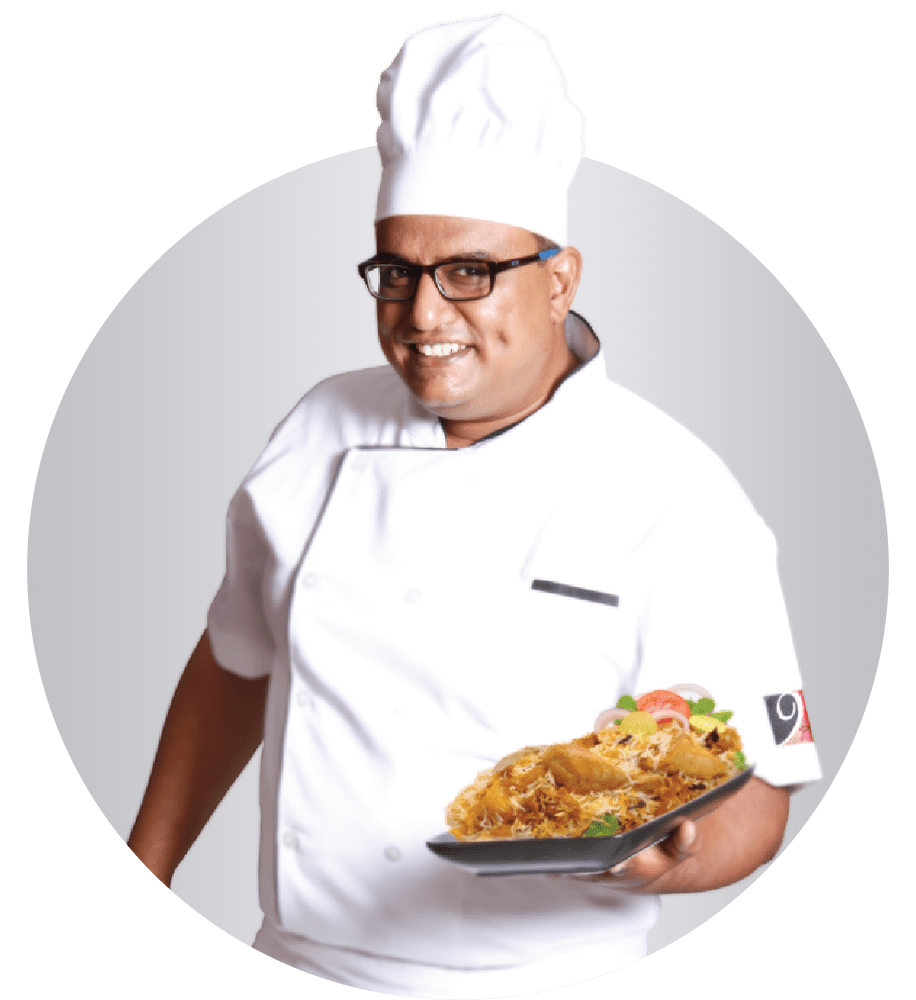
The first step is understanding the local market before committing capital. Cities such as Visakhapatnam, Vijayawada, Guntur, Tirupati, Rajahmundry, and Nellore offer different customer segments and commercial opportunities. With the expertise of Dr. Chef Shajahan M. Abdul, restaurant investors can evaluate local demand, identify suitable business opportunities, and develop market-specific expansion strategies.
For example, a restaurant near an educational institution may attract students looking for affordable meals, while an outlet in a commercial district may receive more demand from office employees and business visitors. Tourist destinations may require a different menu, service format, and operating schedule.
Investors should research:
- Local dining preferences and popular cuisines.
- Competitor restaurants and their price ranges.
- Customer spending capacity.
- Residential and commercial development.
- Footfall during weekdays and weekends.
- Delivery demand and online ordering trends.
- Seasonal variations in customer traffic.
The objective is to identify a market where the restaurant concept matches customer expectations. Strong demand in a particular city does not automatically guarantee success at every location.
A detailed assessment of restaurant investment in Andhra Pradesh should therefore begin with location-specific research rather than relying on general market assumptions.
2. Decide the Restaurant Concept and Business Format
The restaurant concept directly influences the initial investment and ongoing expenses. A compact café, for example, may require less kitchen space and fewer employees than a full-service restaurant offering multiple cuisines. An experienced Restaurant Setup Consultant can help investors select a suitable concept, plan kitchen requirements, estimate setup costs, and organise resources according to their business goals.
Before finalising the concept, determine the intended customer base, menu size, service style, seating capacity, and average customer spending.
Common restaurant formats include:
Quick-Service Restaurant (QSR): Focuses on faster service, limited menus, takeaway, and delivery. It generally requires an efficient kitchen layout and streamlined operations.
Casual Dining Restaurant: Offers table service, a wider menu, and a comfortable dining environment. Investment depends on seating capacity, interiors, kitchen facilities, and staffing.
Fine-Dining Restaurant: Requires greater attention to interiors, specialised equipment, experienced chefs, premium ingredients, and service standards.
Café or Bakery: May focus on beverages, snacks, desserts, and light meals. Equipment requirements depend on whether the business prepares products in-house or sources them from external suppliers.
Cloud Kitchen: Operates primarily through delivery platforms and direct orders, with investment focused on kitchen infrastructure, packaging, technology, and food production.
Choosing the right format helps establish a realistic budget and prevents unnecessary spending on facilities that do not support the business model.
3. Estimate the Initial Restaurant Investment
One of the most important decisions is determining how much capital will be required before the restaurant starts generating revenue. The total investment varies according to city, property size, location, restaurant category, interior specifications, and equipment quality.
The main cost components include:
| Investment component | What it covers |
| Property and rental deposit | Security deposit, advance rent, and initial property expenses |
| Interiors and civil work | Flooring, lighting, furniture, counters, plumbing, and electrical work |
| Kitchen equipment | Cooking ranges, refrigeration, preparation tables, exhaust systems, and storage |
| Licences and registrations | Applicable business, food safety, fire, and local permissions |
| Initial inventory | Ingredients, beverages, packaging, and consumables |
| Recruitment and training | Staff hiring, uniforms, and initial training |
| Technology | POS systems, billing software, internet, and kitchen order systems |
| Marketing | Branding, signage, launch promotions, and digital marketing |
| Working capital | Salaries, rent, utilities, supplies, and other operating expenses |
For preliminary planning, investors can prepare separate budgets for a small-format outlet, a medium-sized restaurant, and a larger dining establishment. These should be treated as planning estimates rather than fixed market prices.
The actual restaurant investment in Andhra Pradesh should be calculated after obtaining property quotations, equipment estimates, contractor proposals, and supplier rates for the selected location.
4. Prepare a Detailed Restaurant Opening Checklist
A structured restaurant opening checklist helps investors organise the activities required before launching the business. Without a proper checklist, important tasks such as approvals, equipment installation, staff recruitment, and supplier arrangements may be delayed.
The checklist should cover the following areas:
- Finalising the restaurant concept and business plan.
- Selecting and evaluating the property.
- Preparing the investment and cash-flow estimates.
- Completing applicable registrations and licences.
- Finalising kitchen and dining-area layouts.
- Purchasing and installing equipment.
- Hiring chefs, kitchen assistants, and service staff.
- Finalising suppliers and ingredient specifications.
- Preparing menus and standardised recipes.
- Testing food quality and service procedures.
- Setting up billing and inventory systems.
- Planning the opening campaign.
Investors should also allow sufficient time for inspections, installation work, staff training, and trial operations.
A soft launch can be useful before the official opening. It allows the management team to test kitchen performance, service speed, billing procedures, and customer response under actual operating conditions.
5. Focus on Restaurant Operational Planning
Opening the restaurant is only the beginning. Long-term performance depends on how effectively the business manages its daily activities.
Strong restaurant operational planning defines how the kitchen, service team, purchasing department, and management will work together. It should establish clear responsibilities and practical procedures for routine operations.
Important areas include:
Staffing and Responsibilities: Determine the number of employees required for each shift and define their duties. Staffing should match the expected customer volume rather than relying on guesswork.
Menu and Recipe Management: Standardise recipes, ingredient quantities, preparation methods, and portion sizes. This helps maintain consistent taste and control food costs.
Inventory and Purchasing: Establish stock levels, approved suppliers, purchasing schedules, and storage procedures. Regular stock checks can reduce wastage and unexpected shortages.
Customer Service: Develop clear service standards for order taking, food delivery, complaints, billing, and customer feedback.
Financial Monitoring: Track daily sales, expenses, food costs, labour costs, and outlet-level profitability.
A well-organised operating system helps owners identify problems early and reduces dependence on individual employees.
6. Plan Restaurant Equipment According to the Menu
Kitchen equipment is a major investment, and purchasing the wrong equipment can increase both initial costs and operating expenses. Restaurant equipment planning should begin only after the menu, kitchen workflow, expected production volume, and available space have been evaluated.
Typical equipment requirements may include:
- Commercial cooking ranges and burners.
- Ovens, grills, and fryers.
- Refrigerators and deep freezers.
- Stainless steel preparation tables.
- Commercial sinks and washing equipment.
- Exhaust hoods and ventilation systems.
- Food storage racks and shelving.
- Food preparation machines.
- Smallwares, utensils, and kitchen containers.
Equipment specifications should match the restaurant’s actual production requirements. A bakery may need specialised ovens and mixers, while a South Indian restaurant may require suitable dosa plates, steamers, and preparation facilities.
Investors should compare equipment based on capacity, material quality, energy consumption, maintenance support, warranty, and availability of spare parts.
Buying equipment solely because it is inexpensive can result in higher repair costs or operational problems later. A professional kitchen layout also helps improve staff movement, food safety, and production efficiency.
7. Understand the Importance of Licences and Compliance
Restaurant owners must identify the registrations and permissions applicable to their business before opening. Requirements depend on the restaurant’s location, business structure, premises, services, and local regulations.
Common compliance areas may include:
- Food Safety and Standards Authority of India (FSSAI) registration or licence, as applicable.
- Local municipal trade permissions.
- GST registration, where applicable.
- Shops and Establishments registration, as applicable.
- Fire safety requirements and approvals.
- Applicable labour and employment compliance.
- Pollution-control permissions, where required.
- Music or public performance licences, where applicable.
Investors should verify current requirements with the relevant government departments and qualified professionals. They should also check the permitted commercial use of the property before signing a lease.
Including compliance expenses and timelines in the initial budget helps prevent avoidable delays and unexpected costs.
8. Evaluate Profitability Before Investing
A restaurant may generate strong sales and still struggle financially if its operating expenses are not controlled. Profitability analysis should therefore be completed before the investment decision.
Start by estimating expected monthly revenue using realistic assumptions about seating capacity, average customer spending, daily footfall, and operating days.
Then calculate the major recurring expenses:
- Rent and maintenance.
- Employee salaries and benefits.
- Food and beverage purchases.
- Electricity, gas, and water.
- Packaging and delivery commissions.
- Marketing and promotions.
- Repairs and equipment maintenance.
- Software and administrative expenses.
The break-even point indicates the sales level required to cover fixed and variable costs. Investors should also prepare conservative, expected, and optimistic financial scenarios to understand how the business may perform under different conditions.
For example, if customer footfall is lower than expected during the first few months, the restaurant should still have enough working capital to manage essential expenses.
A realistic profitability plan makes restaurant investment in Andhra Pradesh easier to evaluate and helps business owners avoid decisions based only on projected revenue.
9. Compare Regional Opportunities and Investment Requirements
Investors exploring multiple markets may also compare their plans with other major restaurant destinations. For example, restaurant investment in Delhi may involve different rental structures, competition levels, labour expenses, and customer expectations compared with cities in Andhra Pradesh.
Such comparisons can provide useful context, but investment estimates should never be transferred directly from one city to another. Property costs, local purchasing rates, demand patterns, and operating conditions must be assessed independently.
Within Andhra Pradesh, investors should compare specific neighbourhoods rather than evaluating an entire city as a single market. A location with high footfall may also have higher rental expenses, while a developing residential area may offer more affordable property options but require time to build a customer base.
10. Build a Sustainable Restaurant Growth Strategy
A successful restaurant should be planned for long-term stability rather than just its opening day. Investors should establish systems that can support future improvements, additional outlets, or franchise opportunities.
Begin with a manageable business model and monitor performance during the first operating months. Use customer feedback, sales reports, and cost analysis to improve the menu and service.
Regularly review supplier performance, inventory levels, staffing requirements, and equipment maintenance. Digital tools can also support billing, sales analysis, and stock tracking.
If the first outlet performs consistently and the business has sufficient management capacity, owners can consider expansion. However, opening additional outlets should follow a proven operational model and realistic financial projections.
Conclusion
Starting a restaurant requires careful planning across investment, infrastructure, compliance, staffing, and daily operations. Andhra Pradesh offers opportunities for different restaurant formats, but success depends on selecting the right location, understanding customer demand, and maintaining control over costs.
A detailed investment estimate, practical opening checklist, suitable equipment, and structured operating procedures can help reduce uncertainty. Most importantly, investors should evaluate profitability using realistic revenue and expense projections before committing capital.
With a well-researched approach to restaurant investment in Andhra Pradesh, entrepreneurs can build a restaurant business that meets local customer expectations while creating a foundation for sustainable growth.
Frequently Asked Questions
1. How much investment is required to open a restaurant in Andhra Pradesh?
The investment depends on the city, location, restaurant format, property size, interiors, kitchen equipment, staffing, and working capital. A detailed budget should be prepared using actual quotations and realistic operating estimates.
2. Which factors should be considered before investing in a restaurant?
Important factors include local customer demand, competition, property costs, menu positioning, equipment requirements, licences, supplier availability, staffing, and expected monthly expenses.
3. Why is restaurant operational planning important?
It establishes clear procedures for purchasing, food preparation, staffing, customer service, inventory control, and financial monitoring. This helps maintain consistent operations and manage expenses.
4. What equipment is required to start a restaurant?
Typical requirements include commercial cooking equipment, refrigeration, preparation tables, storage racks, exhaust systems, washing facilities, utensils, and food preparation tools. The final list depends on the menu and kitchen capacity.
5. How can restaurant owners improve profitability?
Owners can improve profitability by standardising recipes, controlling portion sizes, reducing food wastage, monitoring inventory, reviewing menu prices, managing labour costs, and regularly analysing sales and expenses.