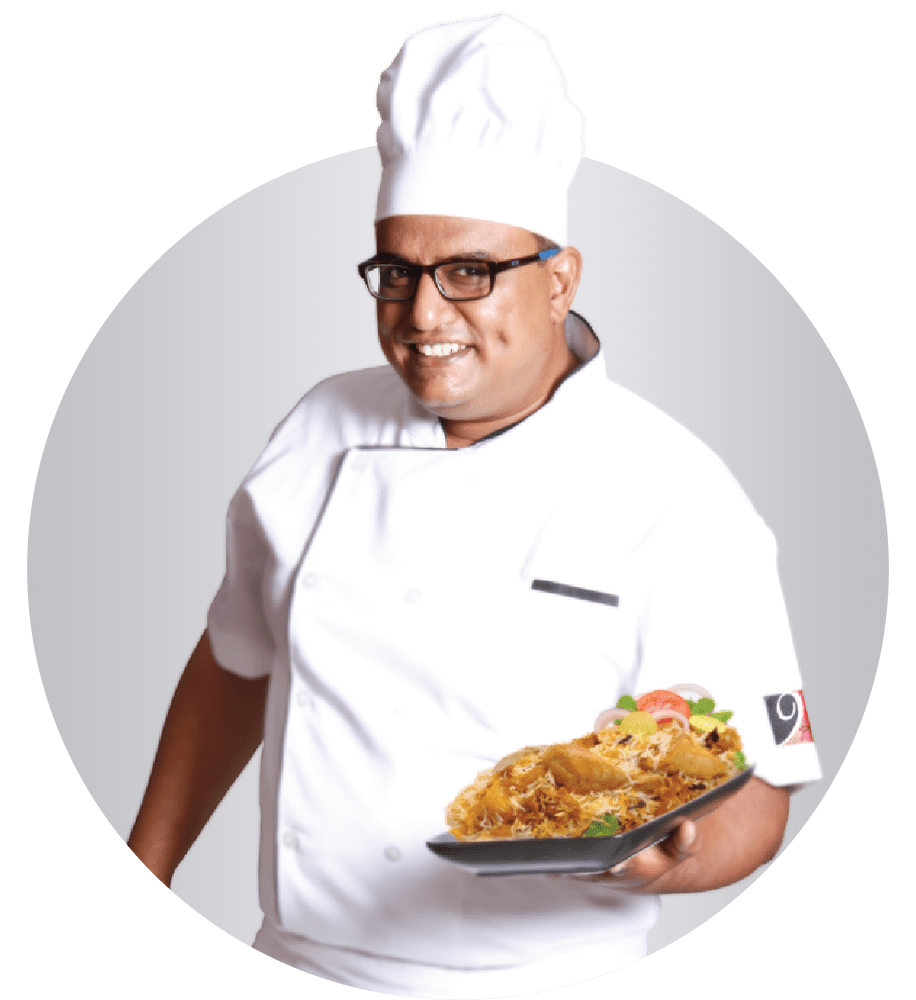
Opening multiple restaurant outlets is an exciting step for any food business. However, Maintaining the same taste, portion size, food quality, and customer experience across every location can be challenging. A dish that tastes perfect at the first outlet may taste different at the second if ingredients, measurements, cooking methods, or staff training vary. Our Services help restaurant businesses establish standardised recipes, streamline kitchen operations, train staff, and maintain consistent food quality across multiple outlets.
This is where a Restaurant Recipe Standardization Consultant can help. Recipe standardisation creates clear instructions for preparing every dish, making it easier for restaurant teams to maintain consistency as the business grows.
Whether you are planning two outlets or building a large restaurant chain, Restaurant Operations Standardization through standardised recipes can help control food costs, reduce wastage, train staff, and support smooth operations.
1. Why Recipe Standardisation Matters for Restaurant Expansion
When a restaurant operates from a single location, the chef may manage recipes based on experience. But as the business expands, depending only on individual cooking skills can create inconsistencies. Professional restaurant consulting services help businesses develop standardised recipes, establish clear cooking procedures, and train kitchen staff to maintain consistent food quality across multiple outlets.
Standardised recipes provide a common process that every outlet can follow.
Key Benefits of Standardised Recipes
- Consistent taste: Customers receive a similar dining experience at every location.
- Better portion control: Staff serve the correct quantity in every order.
- Improved cost management: Accurate measurements help calculate ingredient costs.
- Reduced food wastage: Employees know exactly how much of each ingredient to use.
- Faster staff training: New employees can follow written instructions instead of relying only on verbal guidance.
- Easier quality checks: Managers can compare actual preparation with approved standards.
A Restaurant Recipe Standardization Consultant can help businesses develop practical recipe documentation and kitchen procedures before opening additional outlets.
What Happens Without Recipe Standardisation?
| Common Problem | Impact on the Business |
| Different ingredient quantities | Inconsistent taste and quality |
| Unmeasured portions | Higher food costs and customer complaints |
| Unclear cooking instructions | Preparation errors and delays |
| Different supplier ingredients | Changes in flavour and texture |
| Poor staff training | Uneven performance across outlets |
| No recipe cost records | Difficulty monitoring profitability |
These problems can become more difficult to manage as the number of outlets increases. Establishing clear standards early helps create a stronger foundation for expansion.
2. Create a Master Recipe for Every Menu Item
A master recipe is the approved document that explains how to prepare a dish. It should contain enough detail for trained kitchen staff to reproduce the same result without depending on personal guesswork. Restaurant Consultants in Maharashtra can help restaurant owners develop standardised master recipes, document preparation methods, and establish consistent kitchen practices across all outlets.
A master recipe should be tested and approved before it is introduced across multiple outlets.
Essential Elements of a Master Recipe
| Recipe Element | What to Include |
| Dish name and code | A unique identification for each menu item |
| Ingredient list | Exact ingredients and quantities |
| Measurement units | Grams, millilitres, or other consistent units |
| Preparation method | Step-by-step instructions |
| Cooking temperature and time | Required settings and cooking duration |
| Portion size | Approved serving weight or volume |
| Yield | Number of portions produced |
| Presentation standards | Plating instructions and garnishing |
| Allergen information | Relevant allergens and cross-contact precautions |
| Storage instructions | Safe storage, labelling, and shelf-life requirements |
For example, a restaurant serving butter chicken should document the quantity of chicken, marinade ingredients, sauce, cooking method, final portion size, and presentation.
The objective is to make the process repeatable across outlets while preserving the approved taste and quality.
Use a Standard Recipe Format
A consistent template makes recipes easier to read and update.
| Field | Example |
| Dish | Paneer Butter Masala |
| Batch yield | 10 portions |
| Paneer quantity | 1,000 g |
| Sauce quantity | 1,500 g |
| Portion size | 250 g finished dish |
| Cooking method | Approved standard procedure |
| Final check | Taste, texture, temperature, and presentation |
The quantities above are illustrative only. Actual measurements must be tested against the restaurant’s recipe, portion size, and yield requirements.
A Restaurant Recipe Standardization Consultant can help develop these templates, validate recipe yields, and organise recipe records in a format that kitchen teams can use easily.
3. Standardise Ingredient Sourcing and Portion Sizes
Even a well-documented recipe can produce different results when outlets use different ingredients or serving quantities. Ingredient specifications and portion control should therefore be part of the standardisation process. Dr. Chef Shajahan M. Abdul can guide restaurant businesses in implementing standardised ingredient specifications, accurate portion measurements, and consistent preparation practices across multiple outlets.
Develop Ingredient Specifications
Restaurants should define acceptable standards for the ingredients used in each recipe.
These specifications may include:
- Ingredient variety, grade, and quality.
- Approved brands or supplier specifications where appropriate.
- Required cut size and preparation condition.
- Freshness and storage requirements.
- Acceptable substitutions.
- Receiving and quality inspection procedures.
For example, if a recipe requires diced vegetables of a specific size, the preparation instructions should clearly explain the required dimensions. This helps maintain cooking time, texture, and presentation.
Businesses working with a Restaurant Chain Management Consultant can also develop purchasing procedures to help different outlets follow the same ingredient standards.
Calculate Portion Sizes Accurately
Portion control affects both customer satisfaction and food costs. If one outlet serves 200 grams of a dish while another serves 260 grams at the same price, the difference can affect profitability. Effective Restaurant Brand Building in Telangana involves maintaining consistent serving sizes, food quality, and customer experiences across all outlets, helping establish a recognisable and trustworthy restaurant brand.
Practical portion-control methods include:
- Using digital weighing scales.
- Providing standard measuring tools.
- Defining serving weights in recipe cards.
- Training staff in plating and portioning.
- Conducting regular portion checks.
- Recording deviations and correcting recurring issues.
Monitor Recipe Costs Across Outlets
A standard recipe makes it easier to calculate the ingredient cost of each serving.
| Cost Component | Example Amount |
| Main ingredients | ₹65 |
| Sauces and seasonings | ₹15 |
| Garnishing | ₹5 |
| Total ingredient cost per portion | ₹85 |
In this illustrative example, the ingredient cost is ₹85 per serving. The business should also consider packaging, labour, utilities, wastage, and other operating expenses when evaluating overall profitability.
Accurate recipe costing helps restaurant owners review selling prices, identify expensive ingredients, and compare food costs across outlets.
4. Train Kitchen Teams and Document Standard Operating Procedures
Written recipes are useful only when employees understand how to follow them. Staff training is essential for maintaining consistent results across different restaurant locations.
Each outlet should follow the same approved preparation procedures, while managers should verify that employees apply them correctly.
Build a Practical Kitchen Training System
A structured training programme should cover:
- Ingredient identification and preparation.
- Accurate weighing and measuring.
- Cooking sequences and equipment settings.
- Portion control and plating.
- Food safety, hygiene, and allergen management.
- Cleaning and storage procedures.
- Quality checks before serving.
Training should include demonstrations, supervised practice, and practical assessments rather than relying entirely on written instructions.
Create Standard Operating Procedures
Standard operating procedures (SOPs) explain how recurring kitchen activities should be performed.
| SOP | Purpose |
| Ingredient preparation | Maintains consistent cuts and preparation methods |
| Batch cooking | Standardises large-quantity preparation |
| Food storage | Supports safe storage and stock rotation |
| Portion control | Maintains approved serving sizes |
| Plating and presentation | Creates a consistent appearance |
| Cleaning and sanitation | Establishes hygiene procedures |
| Opening and closing checks | Helps teams complete essential daily tasks |
A Restaurant Recipe Standardization Consultant can help create recipe manuals, kitchen SOPs, and training checklists that support consistent execution across outlets.
5. Use Technology for Restaurant Recipe Management
As the number of outlets grows, managing recipes through scattered spreadsheets, handwritten notes, or informal messages can become difficult. A central recipe management system makes it easier to maintain approved versions and share updates.
What Should a Recipe Management System Include?
A useful system should allow restaurant managers to:
- Store approved recipes in one central location.
- Record ingredient quantities and batch yields.
- Calculate recipe costs using current ingredient prices.
- Control access to recipe documents.
- Track recipe revisions and approval dates.
- Share updated instructions with every outlet.
- Maintain allergen and food safety information.
Businesses offering or using Restaurant Recipe Management Services may organise these records, improve version control, and establish processes for reviewing recipes when ingredients, suppliers, or menu prices change.
Keep Every Outlet on the Approved Recipe Version
Imagine a restaurant changes its signature sauce recipe to improve consistency. If only some outlets receive the updated instructions, customers may notice differences between locations.
A central approval process helps prevent this problem.
Before implementing a recipe change, the business should document the revision, test the new version, approve it, communicate it to all relevant outlets, and confirm that staff have adopted it.
This process is especially important for restaurant chains with central kitchens, franchise partners, or geographically separated locations.
6. How to Implement Recipe Standardisation Before Opening New Outlets
Recipe standardisation works best when it begins before the next outlet opens. Waiting until operational problems appear can make training and quality control more complicated.
A planned implementation process helps owners identify gaps and prepare kitchen teams in advance.
Recipe Standardisation Roadmap
| Stage | Key Activities | Expected Outcome |
| Stage 1: Menu review | Identify signature dishes and high-selling items | Clear list of recipes to standardise |
| Stage 2: Recipe testing | Measure ingredients, cooking times, yields, and portions | Tested master recipes |
| Stage 3: Costing | Calculate ingredient cost per batch and portion | More accurate cost records |
| Stage 4: Documentation | Prepare recipe cards and kitchen SOPs | Consistent written instructions |
| Stage 5: Staff training | Conduct demonstrations and practical assessments | Teams prepared to follow standards |
| Stage 6: Outlet testing | Test recipes and workflows at the new location | Issues identified before launch |
| Stage 7: Ongoing monitoring | Review taste, portions, costs, and feedback | Continuous improvement |
How a Restaurant Business Expansion Consultant Helps
A Restaurant Business Expansion Consultant India businesses work with can help coordinate recipe standardisation with wider expansion activities, including kitchen planning, staff preparation, purchasing, and operational systems.
This broader approach ensures that recipes are not treated as isolated documents. They become part of a complete operating model that supports consistent quality and business growth.
A Restaurant Chain Management Consultant can also help establish reporting structures and outlet-level performance reviews, enabling management to identify where recipes or operating procedures are not being followed.
7. Measure Recipe Consistency After Launch
Standardisation is an ongoing process. Even after recipes have been approved and staff trained, restaurant owners should check whether every outlet is maintaining the required standards.
Important Metrics to Monitor
- Recipe compliance: Whether staff follow the approved ingredients and method.
- Portion accuracy: Whether the actual serving matches the specified quantity.
- Food cost percentage: How ingredient costs compare with food sales.
- Wastage levels: How much food is discarded during preparation and service.
- Customer feedback: Whether customers report differences in taste or quality.
- Preparation time: Whether kitchen teams can prepare dishes efficiently.
- Recipe-related complaints: Whether recurring problems point to training or process gaps.
Regular kitchen audits, tasting sessions, inventory checks, and customer feedback reviews can help identify issues early.
For example, if one outlet has consistently higher ingredient usage than others, management should check portion sizes, preparation waste, supplier quality, and recipe compliance before making changes to the approved recipe.
A Restaurant Recipe Standardization Consultant can help design practical audit checklists and review procedures so the business can maintain quality as its outlet network expands.
Conclusion
Recipe standardisation is an essential step for restaurants planning to expand beyond a single location. It helps maintain consistent taste, control portions, improve food costing, simplify staff training, and create reliable kitchen procedures.
By developing master recipes, defining ingredient specifications, documenting SOPs, and using a central recipe management system, restaurant owners can prepare their teams for multi-outlet operations.
Professional support can make the process more organised. From recipe testing and costing to staff training and operational audits, a Restaurant Recipe Standardization Consultant can help build systems that support consistency and sustainable expansion.
Whether you are opening your second outlet or developing a larger restaurant chain, investing in standardised recipes before expansion can help protect your food quality and customer experience as the business grows.
5 Frequently Asked Questions
1. What is restaurant recipe standardisation?
Restaurant recipe standardisation is the process of documenting ingredients, measurements, cooking methods, portion sizes, and presentation standards for every dish. It helps restaurants maintain consistent taste, quality, and food costs across multiple outlets.
2. Why should restaurants standardise recipes before opening multiple outlets?
Standardising recipes before expansion helps reduce preparation errors, control ingredient costs, minimise food wastage, and simplify staff training. It also ensures customers receive a consistent dining experience at every outlet.
3. How can a Restaurant Recipe Standardization Consultant help a restaurant chain?
A Restaurant Recipe Standardization Consultant can develop master recipes, calculate portion costs, prepare kitchen SOPs, train employees, and establish quality control procedures. This support helps restaurant owners maintain consistent food quality while expanding their business.
4. What is included in restaurant recipe management services?
Restaurant Recipe Management Services may include recipe documentation, ingredient specifications, batch yield calculations, food cost analysis, allergen records, recipe version control, and standard preparation instructions. These services help restaurant teams manage recipes efficiently across locations.
5. How can restaurants maintain food quality across multiple outlets?
Restaurants can maintain food quality by using approved recipes, sourcing consistent ingredients, training kitchen staff, monitoring portion sizes, and conducting regular quality audits. A Restaurant Chain Management Consultant can also help establish standard operating procedures and performance monitoring systems.